

Master the Art of Safe BBQ: Your Comprehensive Guide
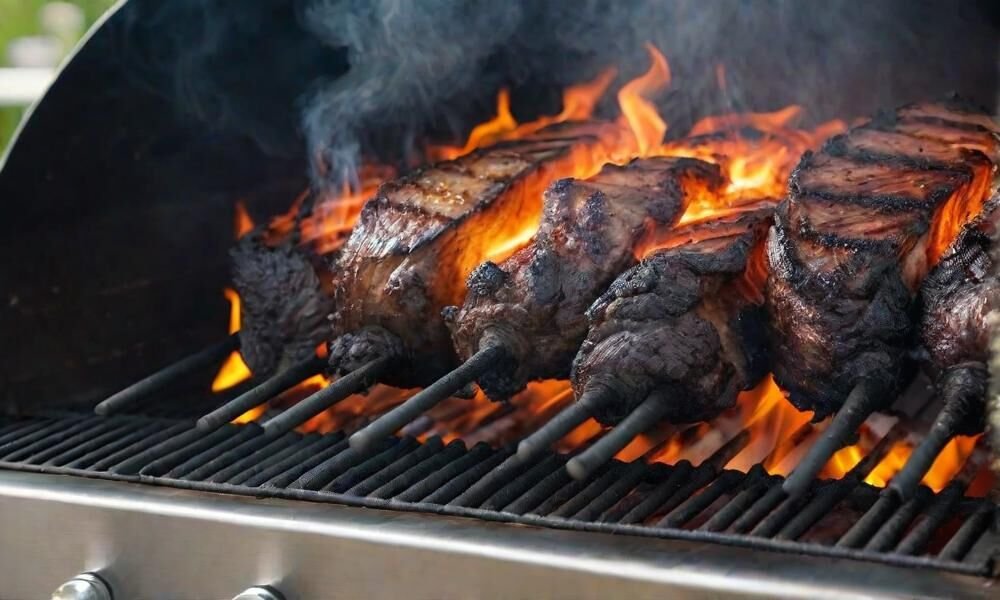
The Importance of BBQ Safety
Why Safety Matters in BBQ
Ensuring safety during BBQ sessions is crucial for preventing fires, ensuring safe food preparation, and prolonging the life of your equipment. By prioritizing safety, you protect your family and guests, handle fuel responsibly, and enjoy outdoor cooking without worry. Understanding these aspects not only enhances your BBQ experience but also safeguards your investment in quality equipment.
General BBQ Safety Tips
Before lighting up your grill, always read the owner's manual to familiarize yourself with the equipment. Assemble all components correctly to avoid mishaps. Ensure your grill or smoker is placed on a stable, non-combustible surface, away from buildings, fences, and trees. Maintain a safe distance from children and pets, and never leave your cooking equipment unattended while in use.
Fire Safety Essentials
Keep a fire extinguisher nearby and avoid cooking near combustible materials. Dispose of ashes safely and handle charcoal with care. Store wood and pellets in dry conditions, and ensure propane cylinders are stored upright outdoors. If grease ignites, remain calm and follow safe procedures to extinguish the fire without risking injury.
Carbon Monoxide and Food Safety
Never use grills or smokers indoors or in enclosed spaces like garages or tents, as carbon monoxide is odorless and deadly. Always cook in well-ventilated outdoor areas. For food safety, wash hands before handling food, prevent cross-contamination, and use a food thermometer to ensure meats reach safe internal temperatures. Refrigerate leftovers promptly and clean surfaces after use.
Fire Safety Essentials
Ensuring fire safety is crucial when using BBQ equipment. Always keep a fire extinguisher within reach to quickly address any unexpected flames. Avoid setting up your grill or smoker near combustible materials such as wooden structures or dry foliage. This precaution helps prevent accidental fires and ensures a safe cooking environment.
Position your BBQ equipment on stable, non-combustible surfaces to reduce the risk of tipping or fire spread. Maintain a clear area free from flammable objects around your cooking setup. By taking these steps, you can enjoy your outdoor cooking experience with peace of mind, knowing that fire hazards are minimized.
Never leave your BBQ equipment unattended while in use. Vigilance is key to preventing fires and ensuring the safety of your surroundings. Regularly inspect your equipment for any signs of wear or damage that could lead to fire hazards. Prioritize safety to protect your family and property.
Understanding Carbon Monoxide Risks
The Importance of Ventilation
Carbon monoxide (CO) is a colorless, odorless gas that poses significant health risks. It is produced by burning fuels such as charcoal, wood, and propane. To prevent CO poisoning, always operate your BBQ equipment outdoors in well-ventilated areas. Never use grills or smokers indoors or in enclosed spaces like garages or tents.
Proper ventilation is essential to disperse CO and ensure safe cooking conditions. Avoid using BBQ equipment under covered patios or near open windows where CO can accumulate. By prioritizing ventilation, you safeguard your health and the well-being of those around you.
Be aware of the symptoms of CO poisoning, which include headache, dizziness, and nausea. If you suspect CO exposure, move to fresh air immediately and seek medical attention. Always prioritize safety by cooking in open, airy spaces and regularly checking your equipment for proper function.
Food Safety Practices
Maintaining food safety is paramount when grilling. Begin by washing your hands thoroughly before handling any food to prevent the spread of bacteria. Use separate cutting boards and utensils for raw and cooked foods to avoid cross-contamination.
Ensure that meat is cooked to safe internal temperatures by using a reliable food thermometer. This practice helps eliminate harmful pathogens and ensures your meals are safe to consume. Store raw meats properly, keeping them chilled until ready to cook.
Fuel Safety Guidelines
Ensuring Safe Handling and Storage of BBQ Fuels
Maintenance Matters
Enhancing BBQ Safety and Performance
Regular maintenance of your BBQ equipment is crucial for both safety and optimal performance. By routinely inspecting and cleaning your grills and smokers, you can prevent potential hazards and extend the lifespan of your gear. Start by cleaning grease trays and removing ash to avoid flare-ups. Inspect burners, gaskets, and seals to ensure they are in good condition. Tighten any loose hardware and replace worn parts promptly. Regularly clean cooking grates and check wheels and trailer components for stability. Keeping your equipment in top shape not only enhances safety but also ensures a superior cooking experience every time.
BBQ Trailer & Food Truck Safety
Best Practices for Safe Transport and Operation
Seasonal Safety Tips for Outdoor Cooking
Stay Safe While Grilling Year-Round
Winter grilling can be a delightful experience, but it requires special precautions. Ensure your grill is free of snow and ice before use, and keep a clear path to and from your cooking area. In high winds, secure your grill to prevent tipping, and be mindful of flying debris. During extreme heat, stay hydrated and take breaks in the shade. Always store your equipment properly during the off-season to prevent damage and ensure safety when the grilling season returns.
Rainy days can dampen your grilling plans, but with the right setup, you can still enjoy a delicious BBQ. Use a canopy or umbrella to shield your grill, but ensure it is well-ventilated and not enclosed. In snowy conditions, clear the area around your grill and use a cover to protect it from the elements. For safe equipment storage, clean and dry all components thoroughly before storing them in a dry, sheltered location.
Extreme weather conditions require extra caution. Always check the weather forecast before planning an outdoor cooking session. In case of thunderstorms, avoid using your grill to prevent the risk of lightning strikes. For safe winter grilling, use a grill mat to prevent slipping on icy surfaces and keep a fire extinguisher nearby. Remember, safety first ensures a fun and memorable grilling experience for everyone.
Emergency Preparedness for Outdoor Cooking
Be Ready for Any Situation
Having a plan in place for emergencies is crucial when grilling outdoors. Keep emergency phone numbers easily accessible, and ensure everyone knows where they are located. A well-stocked first aid kit should be within reach to handle minor injuries promptly. Familiarize yourself with the location and operation of your fire extinguisher, and ensure it is suitable for outdoor cooking areas. Knowing how to shut off gas supplies quickly can prevent accidents and ensure everyone's safety.
BBQ Safety FAQs
Outdoor cooking is enjoyable, but safety should always be a priority. Here are some common questions and answers to help you grill safely and confidently.
Can I use a smoker in my garage?
No, using a smoker in your garage is unsafe due to the risk of carbon monoxide poisoning. Always use smokers in well-ventilated outdoor areas.
Is it safe to grill under a covered patio?
Grilling under a covered patio can be risky if ventilation is inadequate. Ensure there is enough airflow to prevent smoke buildup and reduce fire hazards.
How close should my grill be to my house?
Maintain a safe distance of at least 10 feet between your grill and any structures to minimize the risk of fire spreading.
How do I safely dispose of charcoal ash?
Allow charcoal ash to cool completely before disposing of it in a metal container with a tight-fitting lid. Avoid using plastic or combustible materials.
How often should I inspect my grill?
Regular inspections are vital for safety. Check your grill before each use for any signs of wear, leaks, or damage, and perform a thorough inspection at the start of each grilling season.
What type of fire extinguisher should I keep nearby?
Keep a Class B or multipurpose ABC fire extinguisher nearby, as these are effective against flammable liquids and grease fires commonly associated with grilling.
Important Disclaimer
Educational Information Only
This page is intended to provide general educational information regarding BBQ safety and related topics. It is not a substitute for the manufacturer's operating instructions, warranty documentation, or any applicable local fire, health, building, or safety regulations. We strongly encourage consulting qualified professionals for specific advice and guidance as needed.
While every effort is made to ensure accuracy, Smokers and Grillers Store cannot be held responsible for any errors or omissions, or for any consequences arising from the use of this information. Always prioritize safety and adhere to the guidelines provided by equipment manufacturers and local authorities.
By using this page, you acknowledge that the information provided is for educational purposes only and agree to hold Smokers and Grillers Store harmless from any liability related to the use of this information. Stay informed, stay safe, and enjoy your BBQ experiences responsibly.
Enhance Your BBQ Experience
Discover the finest selection of premium BBQ equipment at Smokers and Grillers Store. Dive into our comprehensive buying guides to make informed decisions and explore expert maintenance tips to keep your gear in top condition. Whether you're a backyard enthusiast or a serious pitmaster, our range of smokers, grills, and accessories is designed to elevate your outdoor cooking adventures. Visit us today and transform your BBQ setup into a culinary masterpiece.