

Your Ultimate BBQ Journey Begins Here
Welcome to Smoke & Grill Hub Your Complete Guide for New BBQ Smoker & Grill Owners
Whether you've just purchased your first pellet grill, offset smoker, charcoal grill, outdoor kitchen, or custom BBQ smoker, we're here to help you cook with confidence. Learn everything you need to know—from setup and seasoning to maintenance and mastering authentic barbecue.
Welcome to the Smoke & Grill Hub Family
Thank you for choosing Smoke & Grill Hub as your trusted source for premium BBQ smokers, pellet grills, outdoor cooking equipment, and professional barbecue accessories. Whether you've purchased your very first smoker, upgraded to a competition-quality grill, or invested in a custom BBQ trailer or outdoor kitchen, we're excited to be part of your outdoor cooking journey.
At Smoke & Grill Hub, we believe that owning exceptional equipment is only the beginning. As Your Hub for All Things Smoke and Grill, our mission extends far beyond selling premium products. We've built a comprehensive BBQ Resource Hub designed to help every customer—from first-time grill owners to experienced pitmasters—develop the knowledge and confidence needed to create unforgettable barbecue.
- Our growing library of educational BBQ resources includes beginner buying guides, smoker setup tutorials, cooking techniques, fuel and smoking wood guides, maintenance recommendations, temperature control tips, safety information, product comparisons, and expert advice to help you get the most from your investment. Whether you're learning how to season a new smoker, maintain steady cooking temperatures, or master authentic low-and-slow barbecue, you'll find practical guidance every step of the way.
If you're just getting started, our beginner smoker guide and new owner resources are the perfect place to begin. You'll discover how to prepare your equipment for its first cook, choose the right fuel, understand airflow and heat management, maintain your smoker, and build the skills needed to produce consistently delicious results. Our goal is to make your learning experience enjoyable, rewarding, and stress-free.
Our commitment to customer satisfaction doesn't end when your order is delivered. We proudly provide ongoing support before, during, and after every purchase. Whether you have questions about product selection, shipping, assembly, maintenance, accessories, warranty information, or outdoor cooking techniques, our knowledgeable team is here to help whenever you need assistance.
Barbecue is more than preparing great food—it's a craft built on patience, practice, and a passion for bringing people together. Every cook teaches something new, and every meal is an opportunity to improve your skills. As you continue your outdoor cooking journey, Smoke & Grill Hub will be here with trusted equipment, expert guidance, and educational resources to help you cook with confidence for years to come.
📦 Inspect Your Equipment
Before assembling or using your new BBQ smoker, pellet grill, or outdoor cooking equipment, carefully inspect the shipment upon arrival. Examine the packaging and all components for any signs of shipping damage, missing parts, or visible defects. Verify that you received the correct model, accessories, owner's manuals, and hardware included with your order. If your equipment was delivered by a freight carrier, it's recommended to inspect the shipment before signing the delivery receipt whenever possible.
Taking a few minutes to inspect your equipment helps ensure everything arrived safely and allows any shipping-related concerns to be reported promptly. If you notice damage or missing components, document the issue with photographs and contact the Smoke & Grill Hub customer support team for assistance. Our goal is to help you begin your outdoor cooking journey with confidence and peace of mind.
🔧 Assemble Carefully
Proper assembly is the foundation of safe, reliable, and long-lasting outdoor cooking performance. Before using your new BBQ smoker, pellet grill, charcoal grill, or outdoor cooking equipment, carefully read and follow the manufacturer's assembly instructions included with your product.
Ensure all bolts, shelves, handles, cooking grates, wheels, thermometers, and other components are securely installed before lighting your smoker or grill. Taking the time to assemble your equipment correctly helps maximize performance, improve safety, and ensure years of dependable outdoor cooking.
📄 Register Your Warranty
Seasoning your smoker before its first cook is one of the most important steps in preparing your equipment for years of outstanding barbecue. The seasoning process helps remove manufacturing residues, cures protective oils onto the cooking surfaces, and creates a protective layer that helps resist rust and corrosion.
Keep your proof of purchase, model number, and serial number in a safe location, and complete any recommended registration process as outlined by the manufacturer.
🔥 Season Your Smoker
Many manufacturers recommend or require product registration shortly after purchase. Registering your BBQ smoker, pellet grill, or outdoor cooking equipment helps verify ownership, simplifies warranty claims, and ensures you receive important product updates or service information when available.
Properly seasoning your BBQ smoker, offset smoker, or charcoal grill also improves cooking performance and prepares your equipment for authentic wood-fired flavor. Every new pitmaster should complete this simple process before cooking their first meal.
🌡 Check Your Thermometers
Accurate temperature control is essential for producing consistent, competition-quality barbecue. Before your first cook, verify that your built-in thermometer and any digital meat thermometers are functioning correctly. Many experienced pitmasters also use professional-grade thermometers, such as Tel-Tru gauges and instant-read probes, to monitor both cooking chamber and internal meat temperatures.
Reliable temperature readings help prevent overcooking, improve food safety, and make mastering low-and-slow barbecue much easier.
🧼 Clean Before First Use
Although your equipment is brand new, it's good practice to perform an initial cleaning before cooking your first meal. Wipe down cooking grates, shelves, preparation surfaces, and other food-contact areas to remove dust, packaging residue, or manufacturing oils.
After cleaning, complete the recommended seasoning process before using your smoker or grill. Establishing good cleaning habits from the beginning helps extend the life of your equipment, maintain optimal cooking performance, and ensure every barbecue is prepared in a clean and safe cooking
Essential Beginner Guides
Compare Our BBQ Equipment
Pellet vs. Offset Smokers
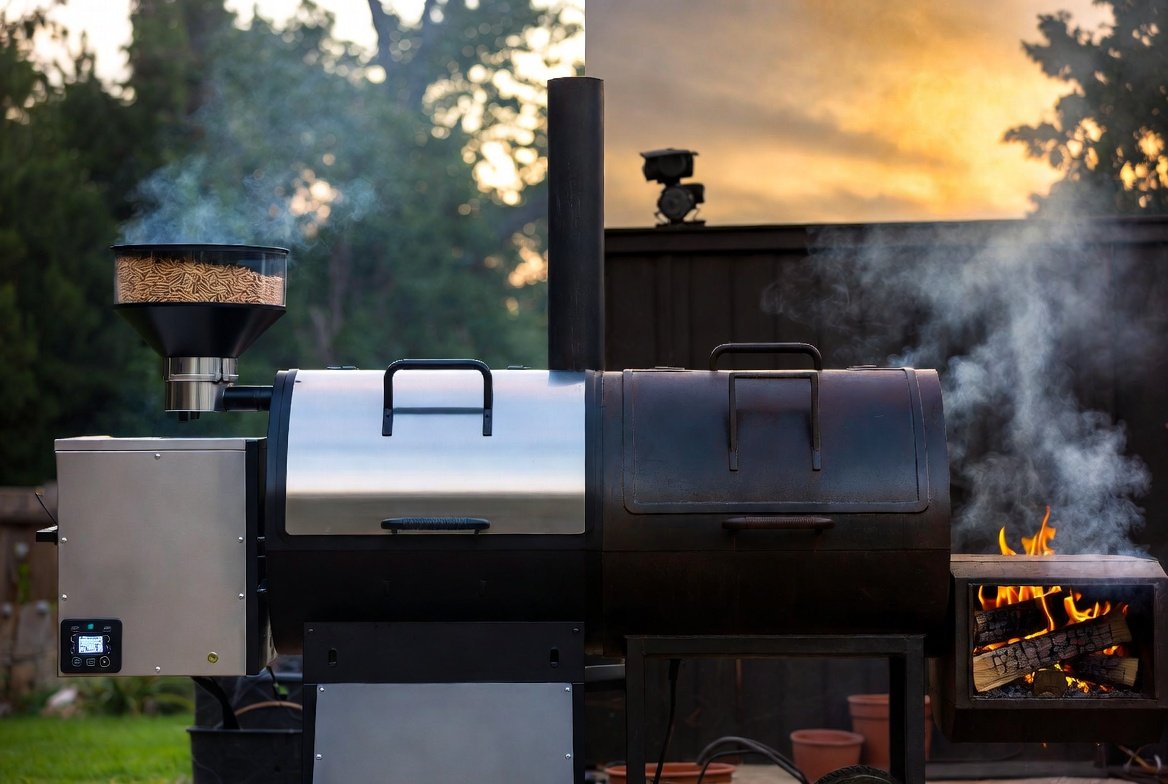
Choosing between a pellet grill and an offset smoker depends on your cooking style, experience level, and the type of barbecue you want to create. Pellet grills offer the convenience of digital temperature control and consistent wood-fired cooking with minimal effort, making them an excellent choice for beginners and anyone who values precision and ease of use. Offset smokers, on the other hand, are the traditional choice for pitmasters who enjoy managing a live fire and producing authentic, competition-style barbecue with deep, smoky flavor.
Residential vs Commercial Smokers: Which BBQ Smoker Is Right for You?
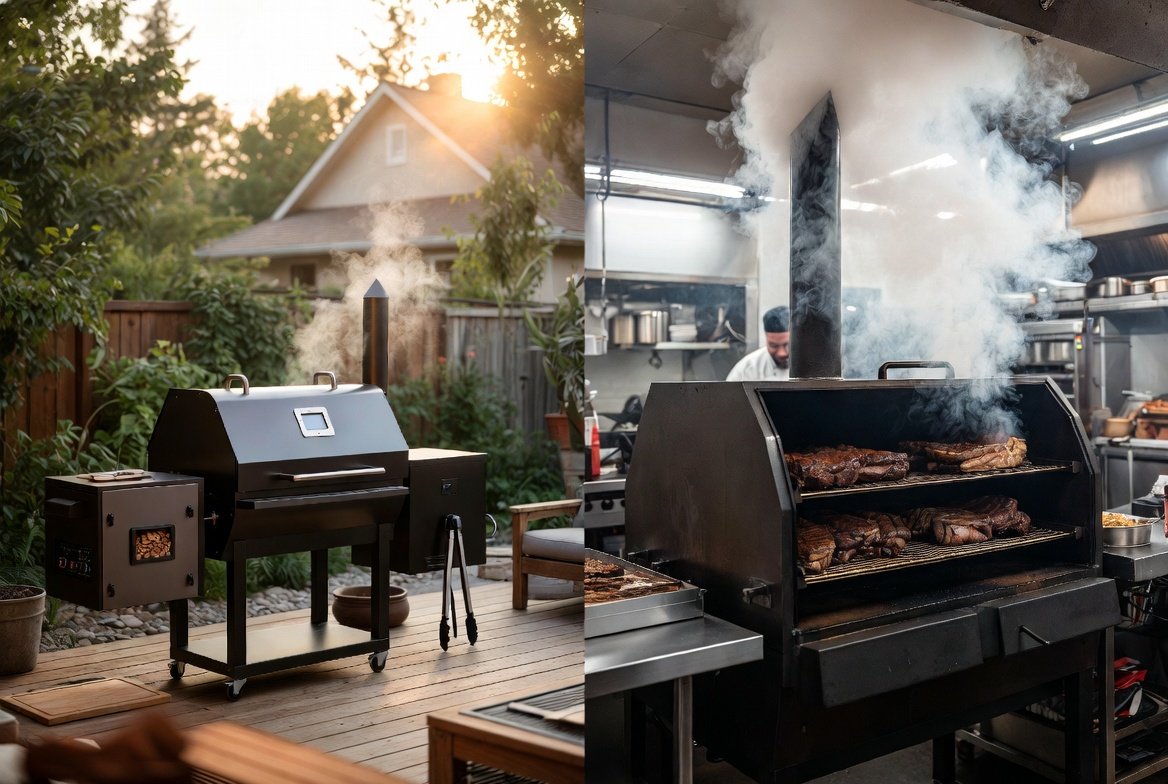
Residential smokers are designed for home use, making them perfect for backyard barbecues, family gatherings, and weekend smoking sessions. They are compact, affordable, and easy to operate while providing excellent performance for personal use. Commercial smokers, on the other hand, are built for restaurants, catering businesses, food trucks, and high-volume cooking. They feature larger cooking capacities, heavy-duty construction, and superior durability to handle continuous operation and demanding workloads. While residential smokers are ideal for casual grilling enthusiasts, commercial smokers are the best choice for professionals who require maximum capacity, efficiency, and consistent results.
Electric vs Charcoal Smokers: Which Is Best for BBQ?
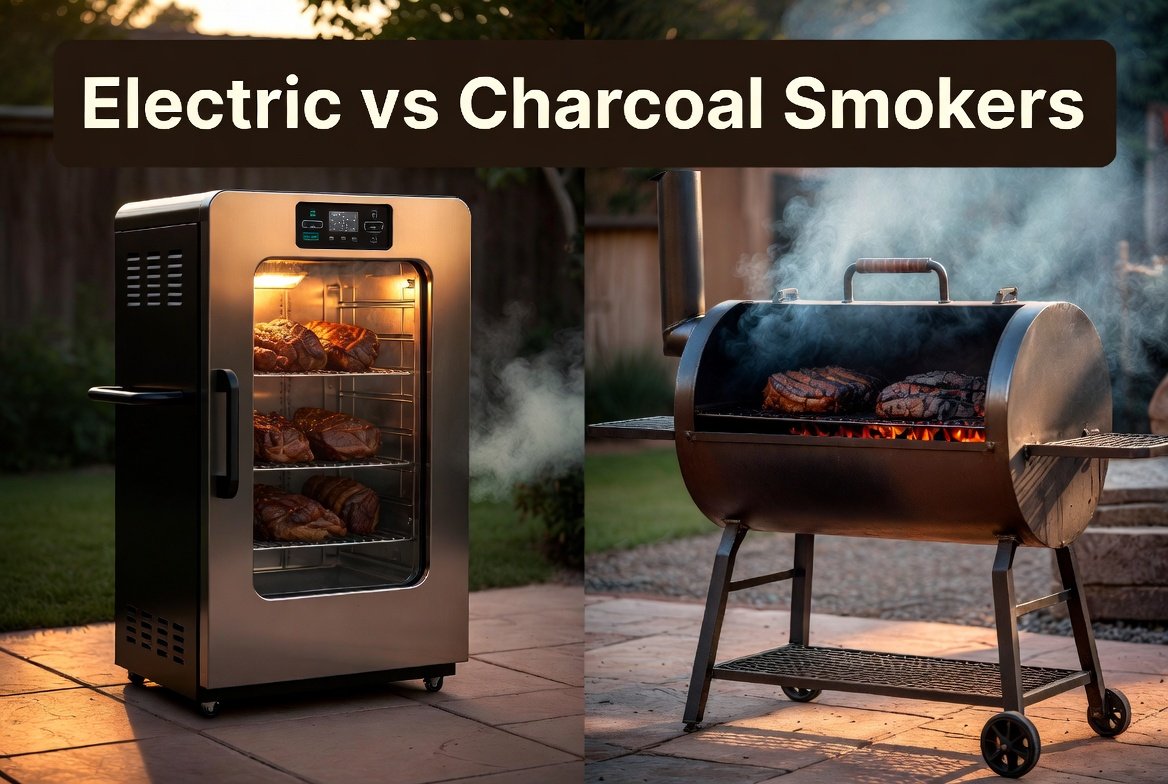
Electric smokers are ideal for beginners and anyone who values convenience, offering precise temperature control and a simple, low-maintenance cooking experience. They require minimal supervision but produce a milder smoke flavor. Charcoal smokers, on the other hand, are known for delivering rich, authentic BBQ flavor and a traditional smoking experience. Although they require more effort to manage fuel and temperature, they provide greater control and are preferred by barbecue enthusiasts seeking the best smoky taste. Ultimately, choose an electric smoker for ease of use and consistency, or a charcoal smoker for classic flavor and hands-on grilling.
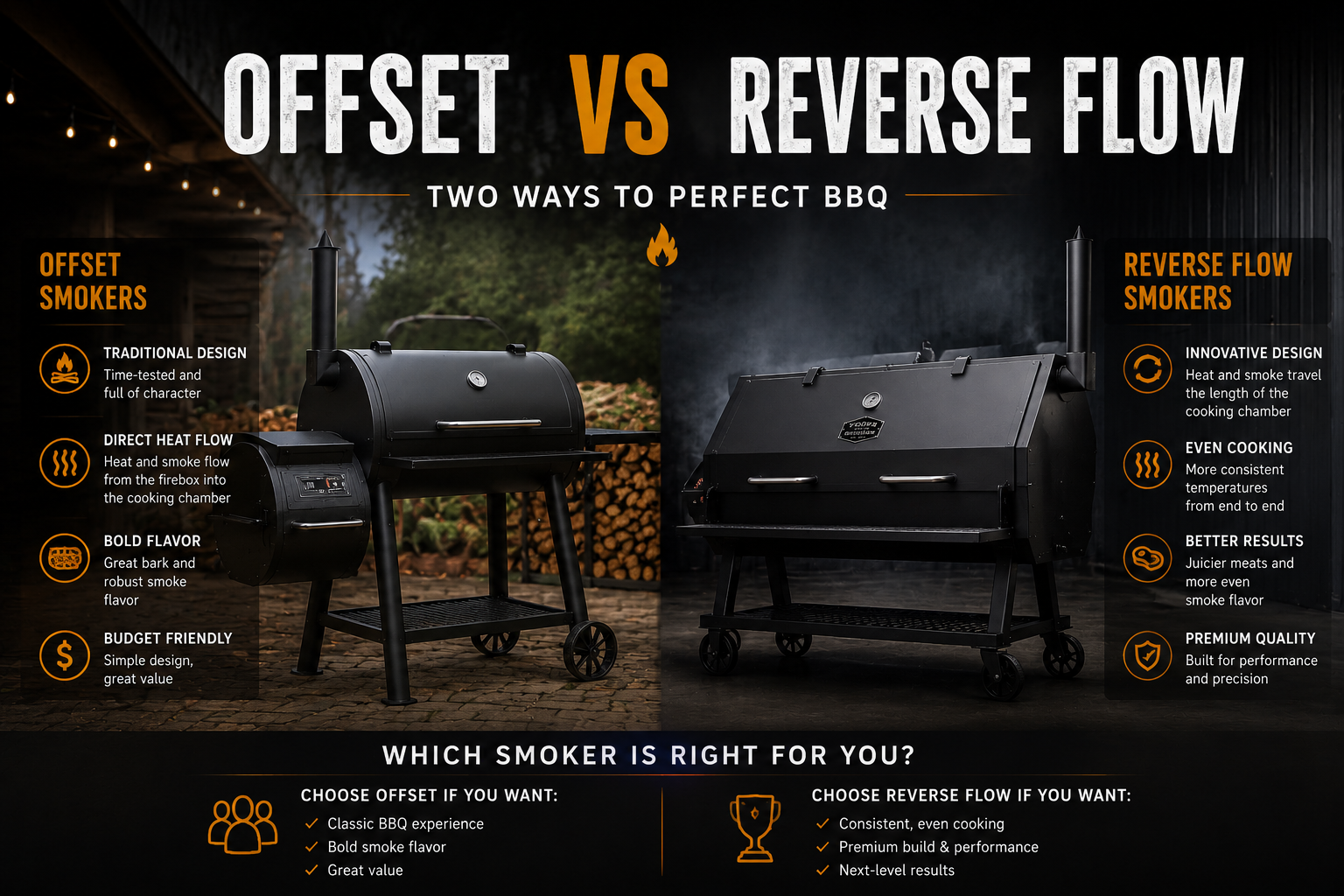
Offset vs Reverse Flow Smokers: Which BBQ Smoker Is Best for You?
Offset and reverse flow smokers differ primarily in how heat and smoke travel through the cooking chamber. Standard offsets provide flexible heat zones, whereas reverse flow units use a baffle plate for highly even temperatures. Both produce excellent barbecue but cater to different cooking styles.
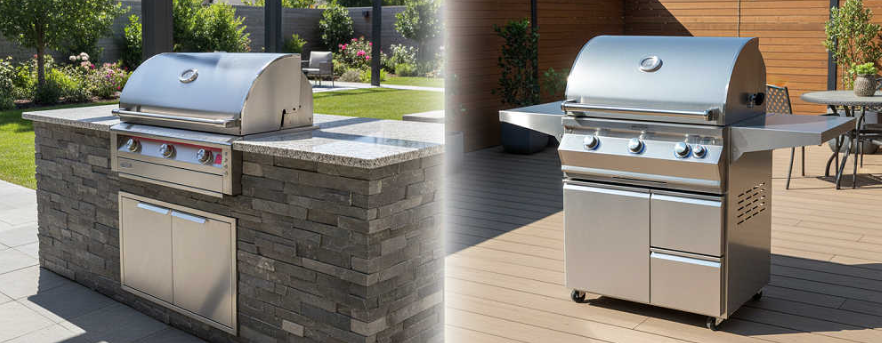
Portable vs Built-In Grills: Which BBQ Grill Is Right for You?
Portable grills are compact, lightweight, and designed for mobility, making them ideal for camping, RV trips, tailgating, picnics, and small outdoor spaces. They are affordable, easy to transport, quick to set up, and perfect for individuals or small families, though they offer a smaller cooking surface and lower capacity. Built-in grills, on the other hand, are permanently installed as part of an outdoor kitchen, providing a larger cooking area, professional-grade performance, and exceptional durability. They are ideal for homeowners who frequently entertain guests and want a premium outdoor cooking experience. If you value portability, flexibility, and budget-friendly grilling, a portable grill is the better choice. If you're looking for a long-term investment with superior cooking capacity and a stylish outdoor kitchen centerpiece, a built-in grill is the ideal option.
Electric vs Charcoal Smokers: Comparing Performance, Flavor & Convenience
Electric smokers and charcoal smokers each offer unique advantages for barbecue enthusiasts. Electric smokers are designed for convenience, using electricity to maintain consistent temperatures with minimal effort, making them ideal for beginners or anyone who prefers a simple, set-it-and-forget-it cooking experience. They produce excellent results with less monitoring but generally provide a milder smoke flavor. Charcoal smokers, on the other hand, use charcoal and wood to create the rich, authentic smoky flavor that traditional barbecue is known for. While they require more attention to manage fuel and temperature, they offer greater control over the cooking process and are favored by experienced pitmasters. If you value ease of use, precise temperature control, and convenience, an electric smoker is an excellent choice. If authentic wood-fired flavor and the traditional barbecue experience are your priorities, a charcoal smoker is the better option.
Pre-Cook Checklist
Unbox and Inspect
Read the Manual Thoroughly
Assemble Your Smoker
Season the Smoker
Test the Temperature Gauge
Purchase Essential Tools
Prepare Fuel or Wood
Plan Your First Cook
Check for Any Missing Parts
Ensure Proper Ventilation
Gather Necessary Ingredients
Set Up a Safe Cooking Area
Familiarize with Controls
Check Weather Conditions
Clean Cooking Surfaces
Organize Cooking Utensils
Check Fuel Levels
Review Safety Precautions
Essential Beginner Guides
📖 Beginner's Guide to BBQ Smokers
Learn the fundamentals of choosing, using, and maintaining your first BBQ smoker.
🔥 How to Choose the Right Pellet Grill
Compare hopper size, cooking capacity, temperature control, and premium features.
Pellet vs. Offset Smokers
Discover which smoker fits your cooking style, budget, and BBQ goals.
🌡️ BBQ Temperature Guide
Learn ideal smoking and grilling temperatures for every cut of meat.
Wood Smoking Guide
Explore the best hardwoods and flavor pairings for authentic BBQ.
🏡 Outdoor Kitchen Planning Guide
Design the perfect outdoor cooking space for entertaining family and friends.
Compare Our BBQ Equipment
Pellet vs. Offset Smokers
Choosing between a pellet grill and an offset smoker depends on your cooking style, experience level, and the type of barbecue you want to create. Pellet grills offer the convenience of digital temperature control and consistent wood-fired cooking with minimal effort, making them an excellent choice for beginners and anyone who values precision and ease of use. Offset smokers, on the other hand, are the traditional choice for pitmasters who enjoy managing a live fire and producing authentic, competition-style barbecue with deep, smoky flavor.
Residential vs Commercial Smokers: Which BBQ Smoker Is Right for You?
Residential smokers are designed for home use, making them perfect for backyard barbecues, family gatherings, and weekend smoking sessions. They are compact, affordable, and easy to operate while providing excellent performance for personal use. Commercial smokers, on the other hand, are built for restaurants, catering businesses, food trucks, and high-volume cooking. They feature larger cooking capacities, heavy-duty construction, and superior durability to handle continuous operation and demanding workloads. While residential smokers are ideal for casual grilling enthusiasts, commercial smokers are the best choice for professionals who require maximum capacity, efficiency, and consistent results.
Electric vs Charcoal Smokers: Which Is Best for BBQ?
Electric smokers are ideal for beginners and anyone who values convenience, offering precise temperature control and a simple, low-maintenance cooking experience. They require minimal supervision but produce a milder smoke flavor. Charcoal smokers, on the other hand, are known for delivering rich, authentic BBQ flavor and a traditional smoking experience. Although they require more effort to manage fuel and temperature, they provide greater control and are preferred by barbecue enthusiasts seeking the best smoky taste. Ultimately, choose an electric smoker for ease of use and consistency, or a charcoal smoker for classic flavor and hands-on grilling.
Offset vs Reverse Flow Smokers: Which BBQ Smoker Is Best for You?
Offset and reverse flow smokers differ primarily in how heat and smoke travel through the cooking chamber. Standard offsets provide flexible heat zones, whereas reverse flow units use a baffle plate for highly even temperatures. Both produce excellent barbecue but cater to different cooking styles.
Portable vs Built-In Grills: Which BBQ Grill Is Right for You?
Portable grills are compact, lightweight, and designed for mobility, making them ideal for camping, RV trips, tailgating, picnics, and small outdoor spaces. They are affordable, easy to transport, quick to set up, and perfect for individuals or small families, though they offer a smaller cooking surface and lower capacity. Built-in grills, on the other hand, are permanently installed as part of an outdoor kitchen, providing a larger cooking area, professional-grade performance, and exceptional durability. They are ideal for homeowners who frequently entertain guests and want a premium outdoor cooking experience. If you value portability, flexibility, and budget-friendly grilling, a portable grill is the better choice. If you're looking for a long-term investment with superior cooking capacity and a stylish outdoor kitchen centerpiece, a built-in grill is the ideal option.
Electric vs Charcoal Smokers: Comparing Performance, Flavor & Convenience
Electric smokers and charcoal smokers each offer unique advantages for barbecue enthusiasts. Electric smokers are designed for convenience, using electricity to maintain consistent temperatures with minimal effort, making them ideal for beginners or anyone who prefers a simple, set-it-and-forget-it cooking experience. They produce excellent results with less monitoring but generally provide a milder smoke flavor. Charcoal smokers, on the other hand, use charcoal and wood to create the rich, authentic smoky flavor that traditional barbecue is known for. While they require more attention to manage fuel and temperature, they offer greater control over the cooking process and are favored by experienced pitmasters. If you value ease of use, precise temperature control, and convenience, an electric smoker is an excellent choice. If authentic wood-fired flavor and the traditional barbecue experience are your priorities, a charcoal smoker is the better option.
Mastering the Basics of Outdoor Cooking
Outdoor cooking is an art that combines flavor, technique, and the right equipment. By understanding how to use your smoker or grill effectively, you can enhance the taste and texture of your meals. Proper usage not only improves flavor but also ensures consistency and prolongs the life of your equipment.
What Beginners Can Expect
Every pitmaster starts somewhere, and it's perfectly normal to have a learning curve. During your first few cooks, you'll become familiar with controlling temperatures, selecting the right fuel, understanding airflow, and learning how different cuts of meat respond to heat and smoke. Each cook builds your confidence and helps you refine your technique.
As you continue your BBQ journey, you'll discover new recipes, experiment with different wood flavors, and develop the skills needed to consistently produce delicious results. With the right equipment, quality ingredients, and a willingness to learn, you'll soon be creating barbecue that's worthy of sharing with family, friends, and fellow BBQ enthusiasts.
Remember, great barbecue isn't about perfection—it's about enjoying the process, learning from every cook, and having fun along the way.
Understanding the Difference Between Grilling and Smoking
Although they're often mentioned together, grilling and smoking are two distinct cooking methods.
Grilling uses direct, high heat typically between 350°F and 600°F to cook food quickly. It's ideal for burgers, steaks, hot dogs, seafood, vegetables, and other foods that benefit from a crisp exterior and shorter cooking times.
Smoking, on the other hand, relies on indirect, low-and-slow heat—usually between 180°F and 275°F—combined with hardwood smoke to slowly cook meat over several hours. This method produces tender, juicy results with the rich, smoky flavor that authentic barbecue is known for. Popular smoked foods include brisket, pork shoulder, ribs, whole chickens, turkey, and sausages.
Many modern pellet grills and combination smokers allow you to enjoy both grilling and smoking in a single unit, giving you greater versatility for every type of outdoor cook.
Why Smoking and Grilling Are Rewarding Hobbies
Owning a BBQ smoker or grill opens the door to endless culinary possibilities. From juicy burgers and perfectly seared steaks to tender pulled pork, smoked ribs, and flavorful brisket, you can create restaurant-quality meals right in your own backyard. As your skills grow, you'll learn how different woods, seasonings, temperatures, and cooking techniques influence flavor, allowing you to develop your own signature BBQ style.
Beyond the food, BBQ is a social experience. It's about gathering family and friends, celebrating special occasions, hosting weekend cookouts, and enjoying the satisfaction of preparing meals from start to finish. Whether you're cooking for two or feeding a crowd, every barbecue is an opportunity to create lasting memories.
Starting with the basics, it's essential to know how to control temperature, manage fuel, and maintain your grill or smoker. These foundational skills are crucial for any BBQ enthusiast aiming to achieve delicious, mouth-watering results every time.
Learn Your Equipment

Pellet Grills
Pellet grills combine the rich flavor of wood-fired cooking with the convenience of digital temperature control. Fueled by hardwood pellets, they automatically maintain consistent heat, making them perfect for smoking, grilling, roasting, baking, and searing. Ideal for beginners and experienced pitmasters alike, pellet grills deliver reliable performance with minimal effort.
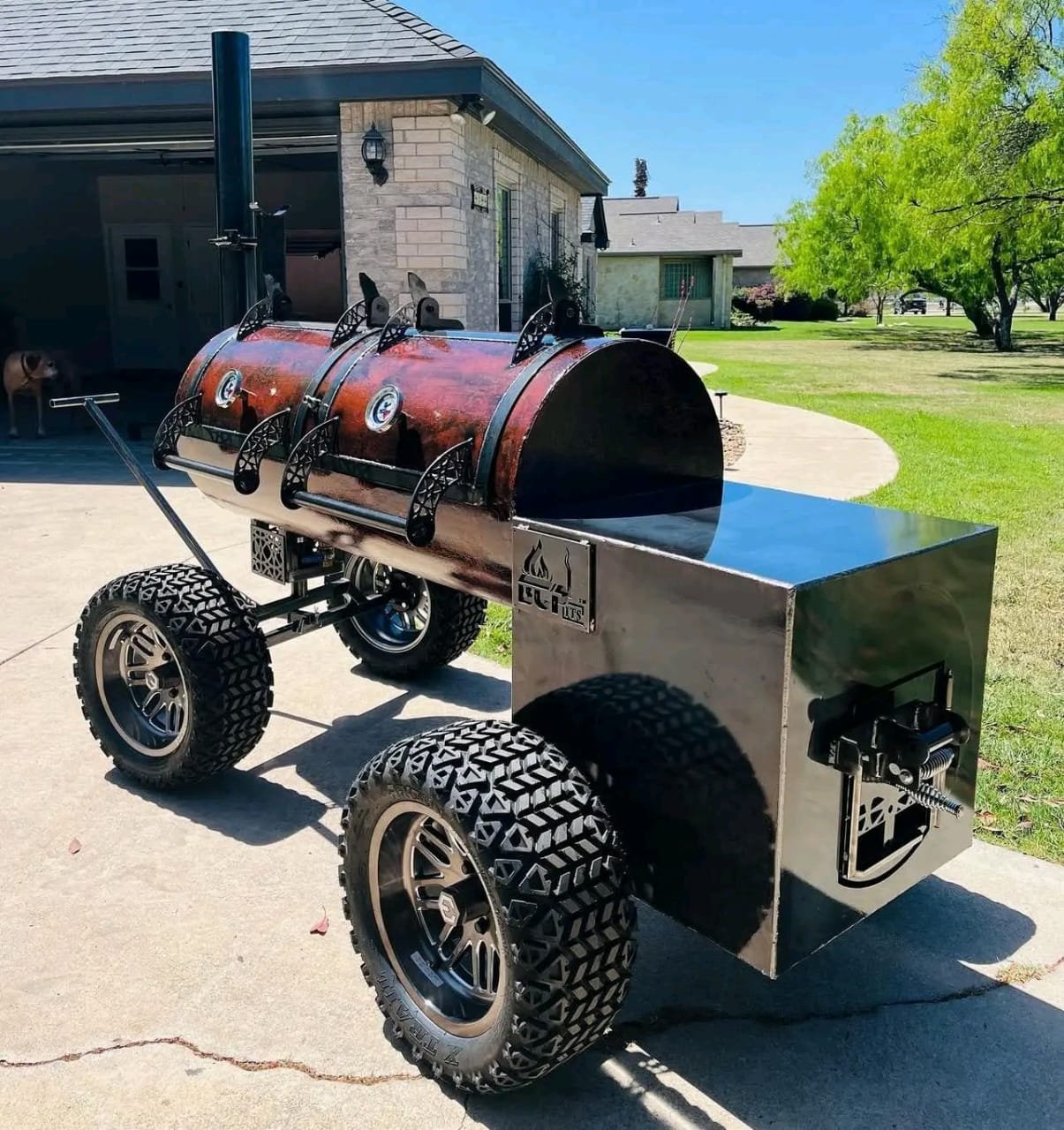
Offset Smokers
Offset smokers are the traditional choice for authentic low-and-slow barbecue. Featuring a separate firebox that channels heat and smoke through the cooking chamber, they produce deep, smoky flavor and exceptional bark on brisket, ribs, pork shoulder, and more. Perfect for BBQ enthusiasts who enjoy mastering the art of fire management.
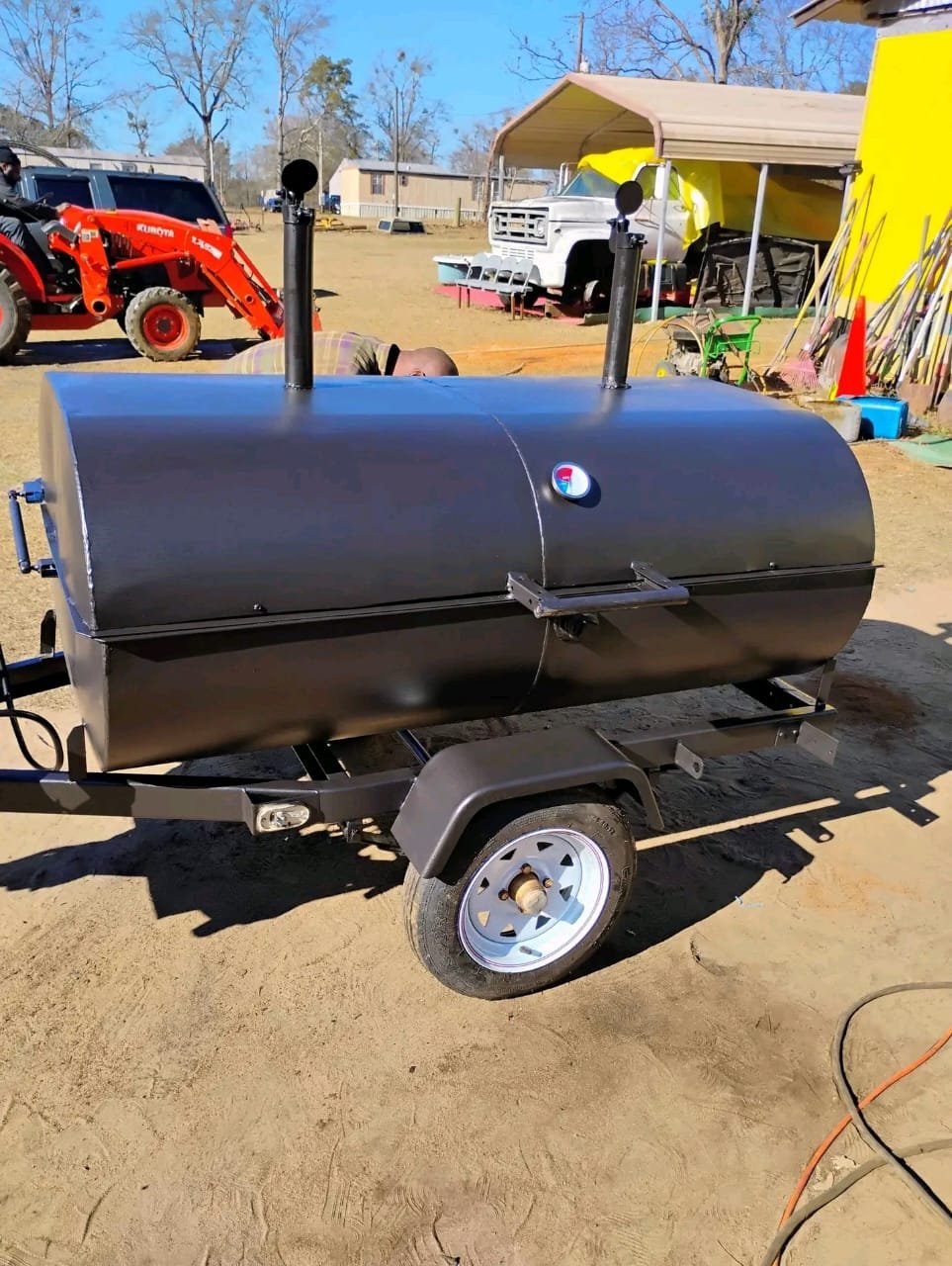
Charcoal Grills
Charcoal grills are prized for their ability to create rich, smoky flavor and high-heat searing. Whether you're cooking burgers, steaks, vegetables, or slow-smoking meats using indirect heat, charcoal grills offer excellent versatility, affordability, and the classic BBQ taste loved by generations of outdoor cooking enthusiasts.
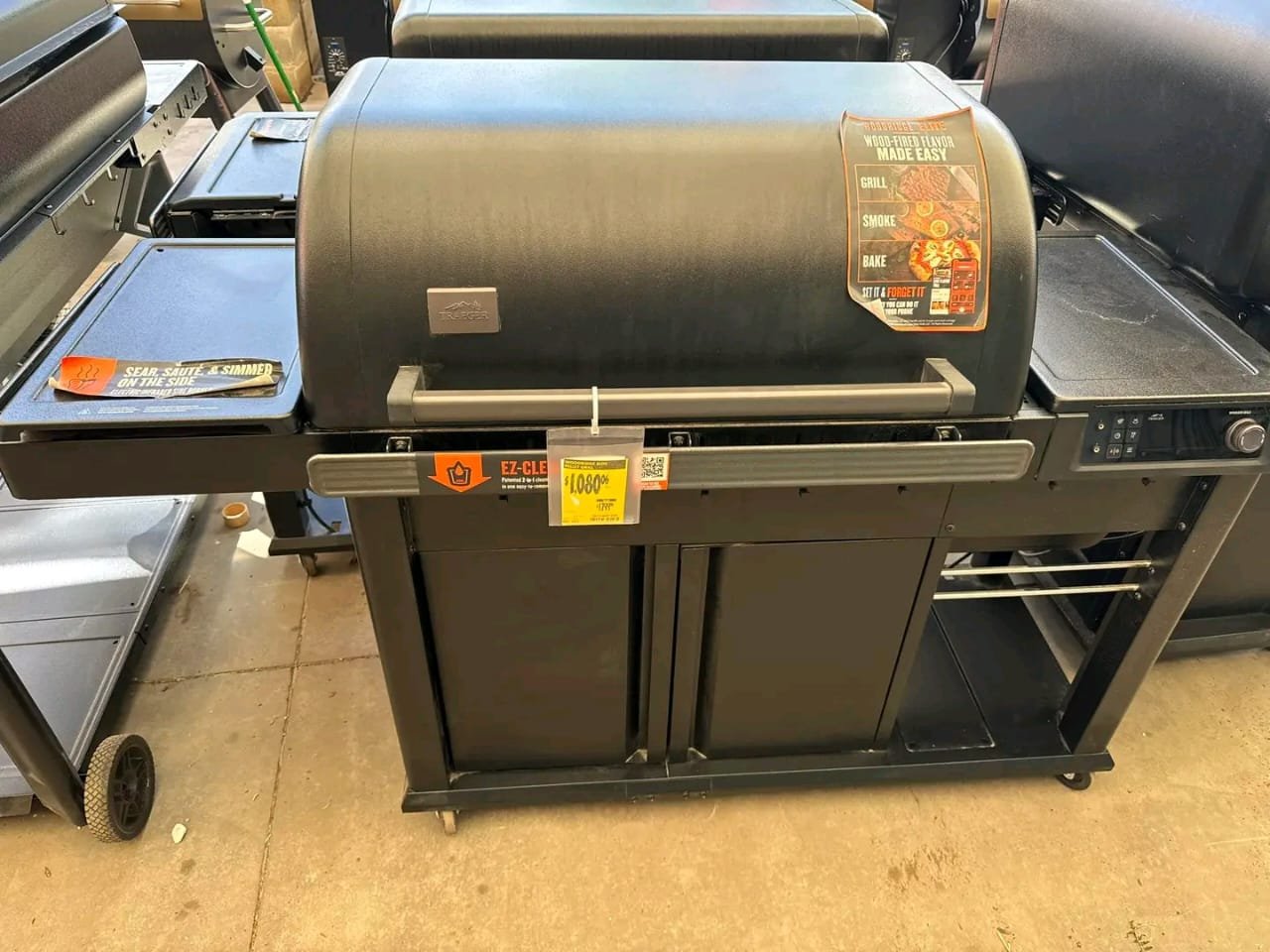
Gas Grills
Gas grills provide fast ignition, precise temperature control, and convenient everyday cooking. Using propane or natural gas, they heat quickly and are perfect for weeknight meals, family cookouts, and entertaining guests. Their ease of use and low maintenance make them a popular choice for homeowners seeking dependable outdoor grilling.
Electric Smokers
Electric smokers simplify the smoking process by maintaining consistent temperatures with the push of a button. Simply add wood chips for authentic smoke flavor while the smoker handles the heat automatically. They're an excellent option for beginners, apartment-friendly outdoor spaces where permitted, and anyone seeking hassle-free smoking.
Kamado Grills
Kamado grills feature thick ceramic construction that delivers outstanding heat retention and fuel efficiency. These versatile cookers excel at grilling, smoking, roasting, baking, and even making wood-fired pizzas. Their ability to maintain stable temperatures for extended periods makes them a favorite among backyard pitmasters and competition BBQ cooks.
Learn Your Fuel Types
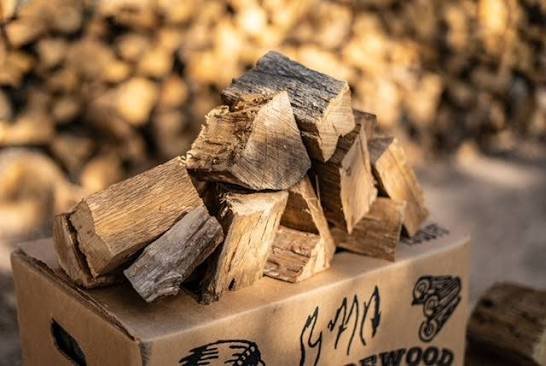
🌳 Wood
Cooking with natural hardwood delivers the most authentic wood-fired BBQ flavor, producing rich smoke that enhances brisket, ribs, pork, poultry, and more. Different wood species such as hickory, oak, apple, cherry, pecan, and mesquite create unique flavor profiles. While wood requires more attention to manage the fire, it rewards pitmasters with unmatched taste and traditional barbecue results.
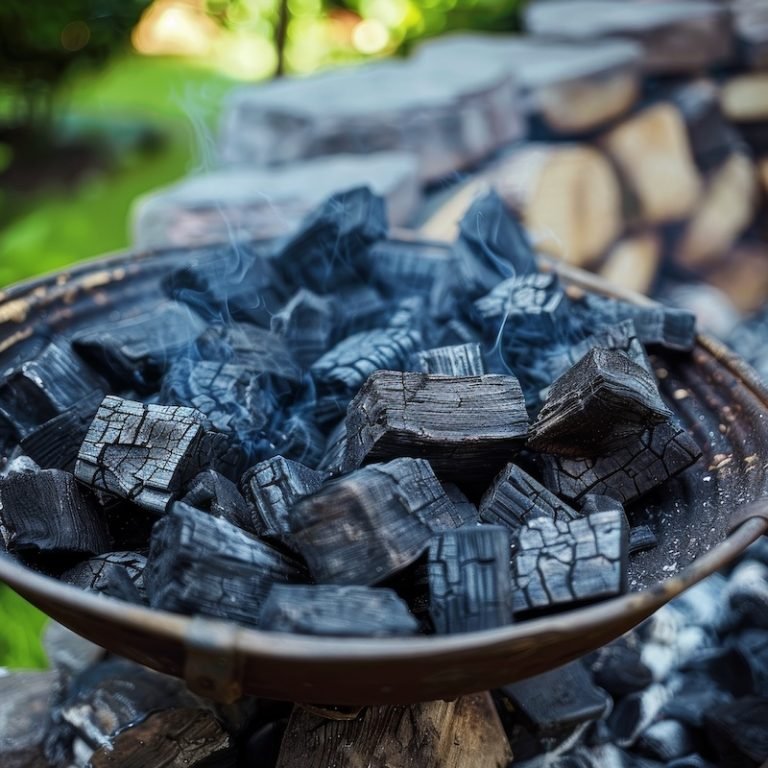
🔥 Charcoal
Charcoal is a favorite among BBQ enthusiasts for its ability to generate high heat and add a subtle smoky flavor to grilled foods. It offers excellent temperature control with proper airflow adjustments, making it suitable for both direct grilling and indirect smoking. Charcoal is ideal for burgers, steaks, chicken, vegetables, and slow-cooked barbecue.
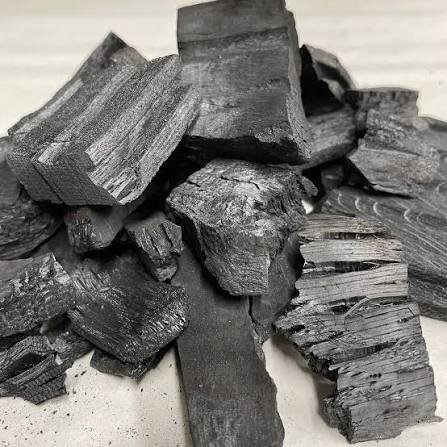
🪵 Hardwood Lump Charcoal
Made from natural hardwood, lump charcoal burns hotter, lights faster, and produces less ash than traditional briquettes. It creates a clean-burning fire with authentic smoky flavor, making it a top choice for grilling steaks, burgers, seafood, and low-and-slow smoking. Although it burns faster, it provides excellent responsiveness for experienced grillers.
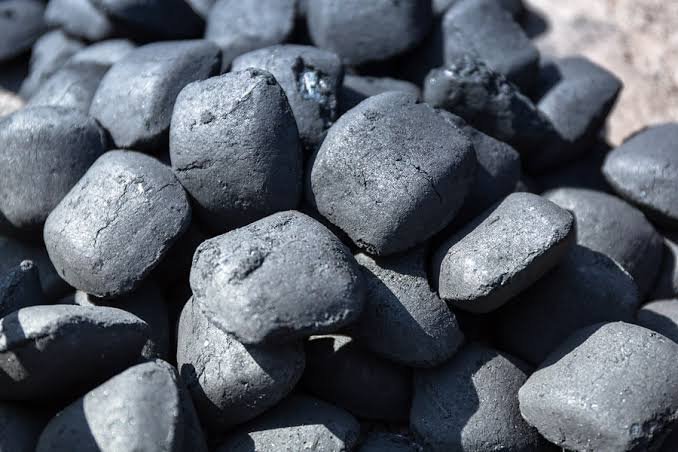
⚫ Briquettes
Charcoal briquettes are designed for consistent burn times and stable cooking temperatures, making them ideal for beginners and long barbecue sessions. They produce steady heat that's perfect for grilling, roasting, and indirect cooking. Their predictable performance makes briquettes a dependable choice for family cookouts and weekend BBQs.
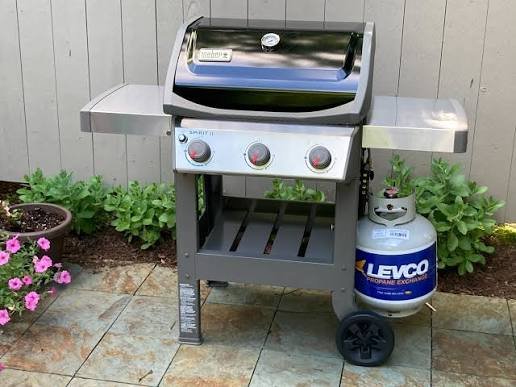
🔥 Propane
Propane offers quick ignition, instant heat, and precise temperature control, making it one of the most convenient fuels for everyday grilling. Gas grills powered by propane heat up rapidly and require minimal cleanup, making them perfect for burgers, steaks, chicken, seafood, vegetables, and weeknight meals. While propane produces less smoke flavor than wood or charcoal, it excels in convenience and efficiency.
Smoking Wood Guide
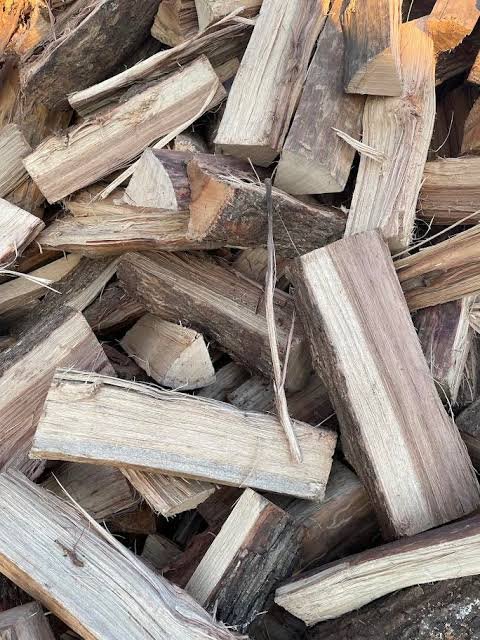
🌳 Hickory Wood
Hickory is one of the most popular hardwoods for traditional American barbecue, producing a strong, rich, and slightly sweet smoky flavor. It burns consistently and creates the deep smoke profile associated with authentic Southern BBQ. Hickory pairs exceptionally well with pork ribs, pork shoulder, brisket, beef ribs, ham, sausages, and whole chickens, making it a favorite among backyard pitmasters and competition cooks.
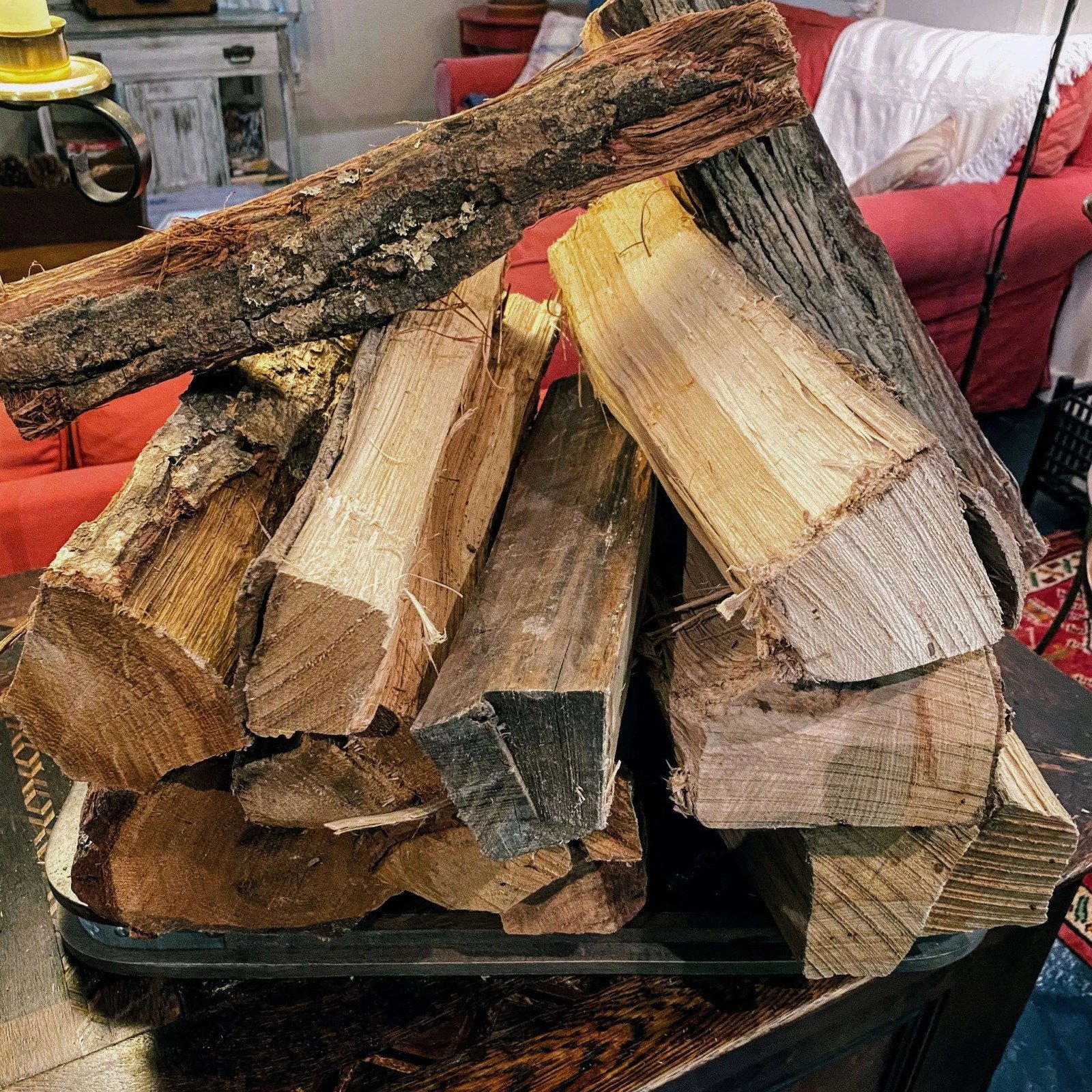
🌳 Oak wood
Oak is a versatile hardwood that delivers a medium smoky flavor with excellent heat output and long burn times. Its balanced smoke complements food without overpowering it, making it an excellent all-purpose wood for both beginners and experienced grillers. Oak is ideal for brisket, beef roasts, pork, lamb, turkey, chicken, and game meats.
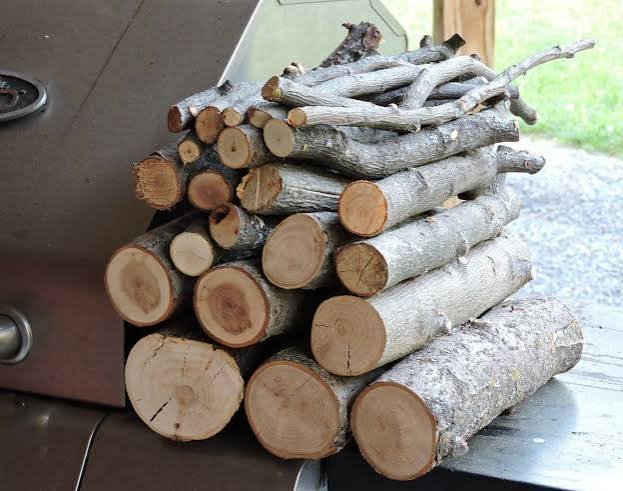
🍎 Apple Wood
Apple wood produces a mild, sweet, and fruity smoke that enhances food without overwhelming its natural flavors. It burns steadily and is perfect for delicate meats, adding a subtle sweetness that creates beautifully balanced barbecue. Apple wood is especially recommended for pork loin, ribs, chicken, turkey, seafood, vegetables, and smoked cheeses.

🍒 Cherry Wood
Cherry wood creates a mild, slightly sweet smoke while adding a rich mahogany color to meats during cooking. It blends well with stronger woods such as hickory or oak and is prized for producing attractive bark on smoked meats. Cherry wood is an excellent choice for ham, pork shoulder, chicken, turkey, duck, beef, and wild game.
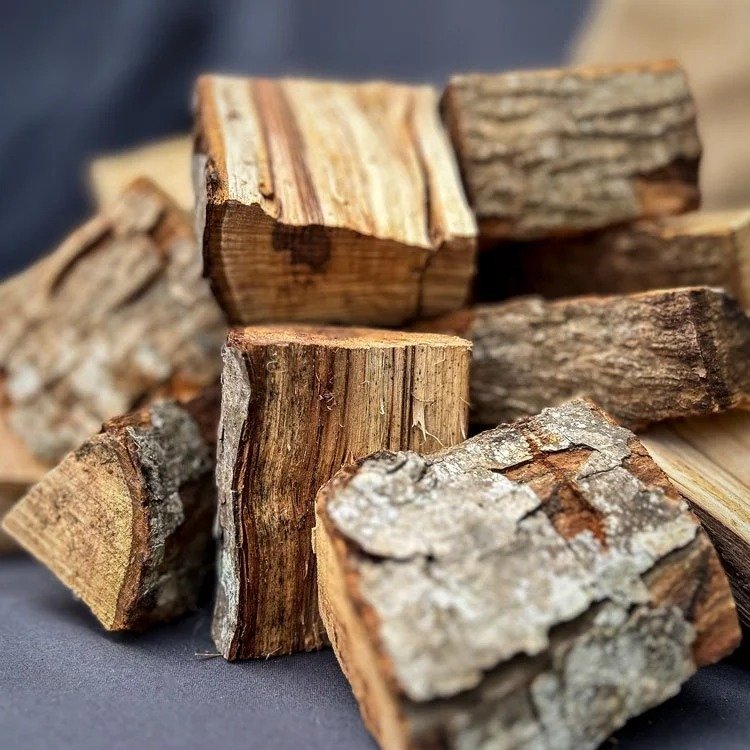
🌰 Pecan Wood
Pecan wood offers a rich, nutty flavor that is milder than hickory but deeper than most fruitwoods. It burns slowly and provides a smooth smoke that enhances a wide variety of foods without becoming overpowering. Pecan is ideal for brisket, pork ribs, pulled pork, chicken, turkey, sausages, and baked desserts prepared on the grill.
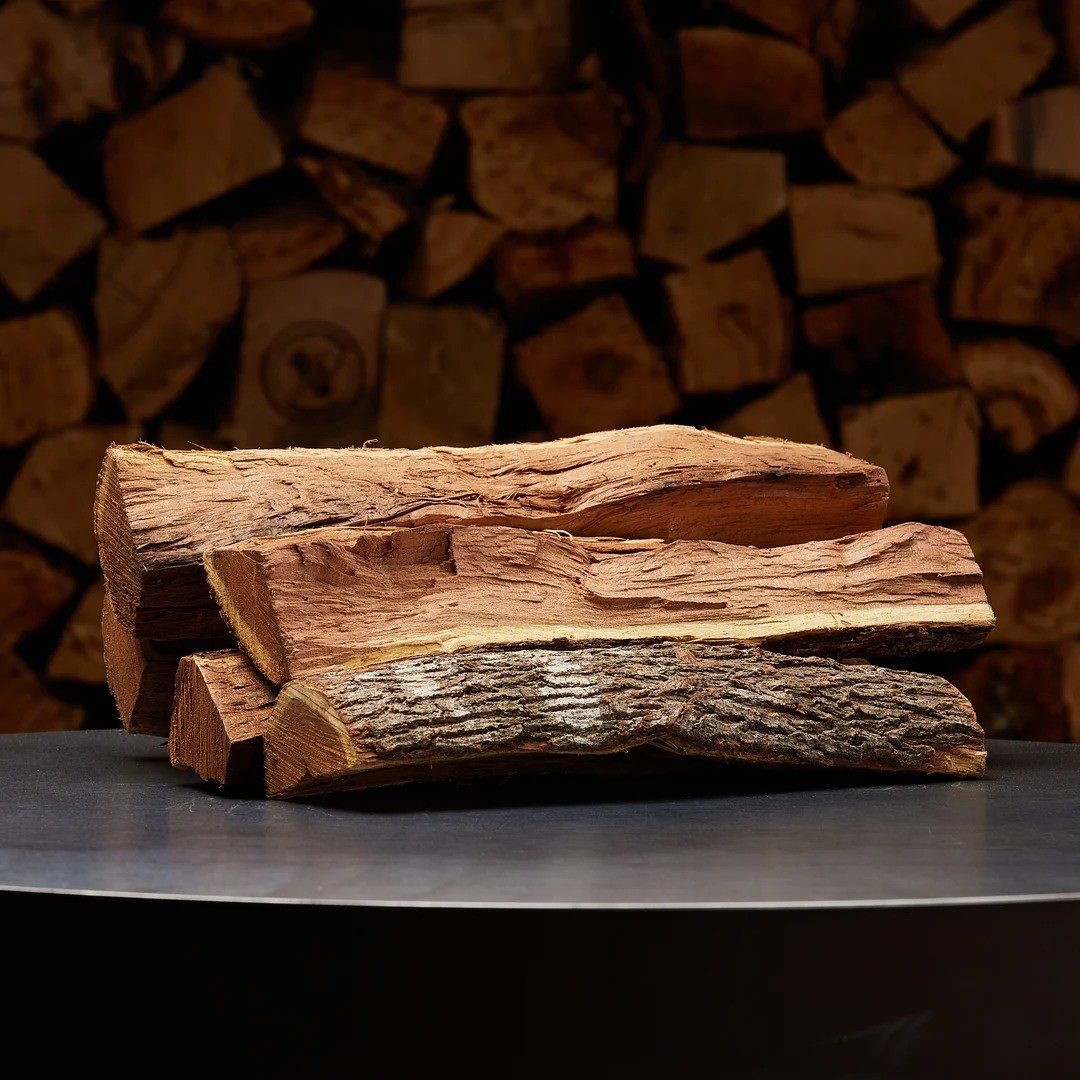
🌵 Mesquite Wood
Mesquite produces an intense, earthy, and bold smoke flavor that burns extremely hot. It's commonly used in Texas-style barbecue and is best suited for shorter cooking sessions or mixed with milder woods to prevent overpowering delicate foods. Mesquite pairs perfectly with beef brisket, steaks, burgers, beef ribs, venison, and other red meats.

🍁 Maple Wood
Maple wood creates a light, subtly sweet smoke that enhances food with a delicate flavor while allowing the natural taste of the meat to shine. Its mild profile makes it an excellent choice for everyday smoking and grilling, especially for lighter proteins. Maple is recommended for chicken, turkey, pork chops, ham, seafood, vegetables, and smoked nuts.
Master Temperature Control
Understanding Temperature Control
One of the most important skills every BBQ enthusiast can develop is learning how to control cooking temperatures. Whether you're grilling burgers over high heat or smoking a brisket for 12 hours, maintaining the correct temperature is the key to producing flavorful, juicy, and perfectly cooked food. Understanding how different heat levels affect your food will help you cook with greater confidence and consistency.
Direct Heat Cooking
Direct heat places food directly above the heat source, allowing it to cook quickly at higher temperatures. This method creates a flavorful crust, attractive grill marks, and excellent caramelization, making it ideal for foods that cook in a short amount of time.
Typical temperature range: 350°F–600°F
Best for:
- Steaks
- Burgers
- Hot dogs
- Chicken breasts
- Seafood
- Vegetables
- Kebabs
Smoking Temperatures
Smoking is all about patience. Maintaining a steady cooking temperature helps smoke penetrate the meat while slowly rendering fat and connective tissue. Different foods benefit from slightly different temperature ranges depending on the desired texture and cooking time.
Recommended smoking temperatures:
- Fish: 180°F–200°F
- Chicken: 250°F–275°F
- Pork shoulder: 225°F–250°F
- Brisket: 225°F–250°F
- Ribs: 225°F–275°F
Low & Slow Cooking
Low-and-slow cooking is the foundation of traditional barbecue. This method uses indirect heat at temperatures ranging from 180°F to 275°F over an extended period, allowing connective tissues in tougher cuts of meat to gradually break down. The result is tender, juicy meat with a rich smoky flavor and beautiful bark.
Best for:
- Beef brisket
- Pork shoulder
- Beef ribs
- Pork ribs
- Whole chicken
- Turkey
- Sausages
Indirect Heat Cooking
Indirect heat cooks food beside the heat source instead of directly over it. This creates a gentle, even cooking environment that prevents burning while allowing larger cuts of meat to cook thoroughly. It's especially useful for roasting and smoking.
Typical temperature range: 225°F–350°F
Best for:
- Whole chickens
- Pork loin
- Roasts
- Large steaks
- Ribs
- Prime rib
Searing Temperatures
Searing uses very high heat to create a flavorful crust while locking in moisture and enhancing appearance. This technique is commonly used for steaks, burgers, pork chops, and other premium cuts before or after slow cooking.
Typical searing temperature: 450°F–700°F
High-temperature searing creates the rich color, texture, and caramelized flavor that many BBQ enthusiasts look for in perfectly cooked meats.
Common Beginner Mistakes
🚫 Opening the Lid Too Often
Every time you lift the lid of your smoker or grill, valuable heat and smoke escape, causing the cooking temperature to drop. This can significantly increase cooking time and make it difficult to maintain consistent results. Trust your thermometer, resist the temptation to check too frequently, and only open the lid when necessary for basting, turning, or checking doneness.
🌲 Using Too Much Wood
More smoke doesn't always mean better barbecue. Using excessive wood can produce thick, bitter smoke that overpowers the natural flavor of your food. Aim for a light, clean stream of smoke rather than heavy white clouds. A moderate amount of quality hardwood provides the balanced smoky flavor that great BBQ is known for.
🌬️ Poor Airflow Management
Proper airflow is essential for maintaining a clean-burning fire and stable cooking temperatures. Closing vents too much can cause dirty smoke and bitter flavors, while excessive airflow may create temperatures that are too high. Learning how to adjust intake and exhaust vents helps you control heat, fuel efficiency, and smoke quality for consistently delicious results.
🔥 Not Preheating Your Grill or Smoker
Preheating your grill or smoker ensures stable cooking temperatures and clean combustion before food is added. Skipping this step can lead to uneven cooking, poor searing, and inconsistent smoke production. Allow your equipment to reach the desired temperature before placing food on the cooking grate for the best possible results.
🌡️ Ignoring Meat Temperature
Cooking by time alone can lead to undercooked or overcooked food. The most reliable way to determine doneness is by using a quality digital meat thermometer. Monitoring the internal temperature of your meat helps ensure food safety while delivering juicy, tender, and perfectly cooked barbecue every time.
⏳ Rushing the Cook
Great barbecue takes patience. Increasing the cooking temperature to speed up the process often results in dry meat, uneven cooking, and reduced tenderness. Low-and-slow cooking allows connective tissue and fat to break down naturally, producing the rich flavor and melt-in-your-mouth texture that authentic BBQ is famous for.
Cleaning & Maintenance
🧽 Cleaning Grates
Clean your cooking grates after every use to remove grease, food residue, and carbon buildup. Regular cleaning helps prevent food from sticking, improves heat distribution, and preserves the authentic flavor of every meal. Use a quality grill brush or scraper while the grates are still warm for the best results.
🪣 Ash Removal
Remove ash from charcoal grills and smokers after each cook once it has completely cooled. Excess ash can restrict airflow, reduce fuel efficiency, and retain moisture that may lead to corrosion. Keeping the firebox clean promotes better combustion, stable temperatures, and longer equipment life.
🍂 Seasonal Maintenance
Inspect your smoker or grill at the start and end of each grilling season. Check burners, vents, gaskets, thermometers, wheels, fasteners, and moving parts for signs of wear or damage. Routine maintenance helps ensure safe operation, extends the lifespan of your equipment, and keeps it performing at its best year-round.
🛢️ Grease Management
Empty grease trays and drip pans regularly to reduce the risk of flare-ups, unpleasant odors, and grease buildup. Proper grease management keeps your smoker or grill operating safely, improves hygiene, and makes post-cook cleanup faster and easier.
🛡️ Rust Prevention
Protect your BBQ smoker or grill from rust by cleaning and drying all surfaces after use. Applying a light coat of cooking oil to cast iron or steel cooking grates helps prevent corrosion while maintaining a natural non-stick surface. Store your equipment in a dry location whenever possible.
☔ Protective Covers
Invest in a durable, weather-resistant grill cover to protect your BBQ equipment from rain, snow, dust, UV rays, and moisture. A properly fitted cover helps prevent rust, fading, and unnecessary wear, keeping your smoker or grill clean, protected, and ready for your next outdoor cooking adventure.
BBQ Safety Tips
🧽 Cleaning Grates
Clean your cooking grates after every use to remove grease, food residue, and carbon buildup. Regular cleaning helps prevent food from sticking, improves heat distribution, and preserves the authentic flavor of every meal. Use a quality grill brush or scraper while the grates are still warm for the best results.
🪣 Ash Removal
Remove ash from charcoal grills and smokers after each cook once it has completely cooled. Excess ash can restrict airflow, reduce fuel efficiency, and retain moisture that may lead to corrosion. Keeping the firebox clean promotes better combustion, stable temperatures, and longer equipment life.
🍂 Seasonal Maintenance
Inspect your smoker or grill at the start and end of each grilling season. Check burners, vents, gaskets, thermometers, wheels, fasteners, and moving parts for signs of wear or damage. Routine maintenance helps ensure safe operation, extends the lifespan of your equipment, and keeps it performing at its best year-round.
🛢️ Grease Management
Empty grease trays and drip pans regularly to reduce the risk of flare-ups, unpleasant odors, and grease buildup. Proper grease management keeps your smoker or grill operating safely, improves hygiene, and makes post-cook cleanup faster and easier.
🛡️ Rust Prevention
Protect your BBQ smoker or grill from rust by cleaning and drying all surfaces after use. Applying a light coat of cooking oil to cast iron or steel cooking grates helps prevent corrosion while maintaining a natural non-stick surface. Store your equipment in a dry location whenever possible.
☔ Protective Covers
Invest in a durable, weather-resistant grill cover to protect your BBQ equipment from rain, snow, dust, UV rays, and moisture. A properly fitted cover helps prevent rust, fading, and unnecessary wear, keeping your smoker or grill clean, protected, and ready for your next outdoor cooking adventure.
Cooking Techniques
Essential Smoker Setup Steps
Seasoning Your Smoker
Apply a thin layer of high smoke point oil to the interior. Heat at 250-300°F for 3-4 hours. Repeat if necessary to ensure a proper seal.
Preparing the Pellet Grill
Fill the hopper with quality pellets. Prime the auger using P-settings and ensure the fire pot ignites properly.
Temperature Calibration
Use an oven thermometer to verify the accuracy of the built-in gauge. Adjust as needed to ensure precise cooking temperatures.
Discover the Process
1
Unbox Your Smoker
2
Prepare for First Cook
3
Master Your BBQ Skills
Find the Perfect BBQ Equipment for Every Cooking Style
Smokers

🔥 BBQ Smokers
Our shipping and warranty information applies to a wide selection of premium BBQ smokers designed for backyard enthusiasts, competition pitmasters, caterers, and commercial kitchens. Whether you're purchasing a vertical smoker, cabinet smoker, reverse-flow smoker, or traditional wood-fired smoker, you'll find helpful information about order processing, freight delivery, manufacturer warranty coverage, and customer support to help protect your investment from purchase through long-term ownership.
Grills
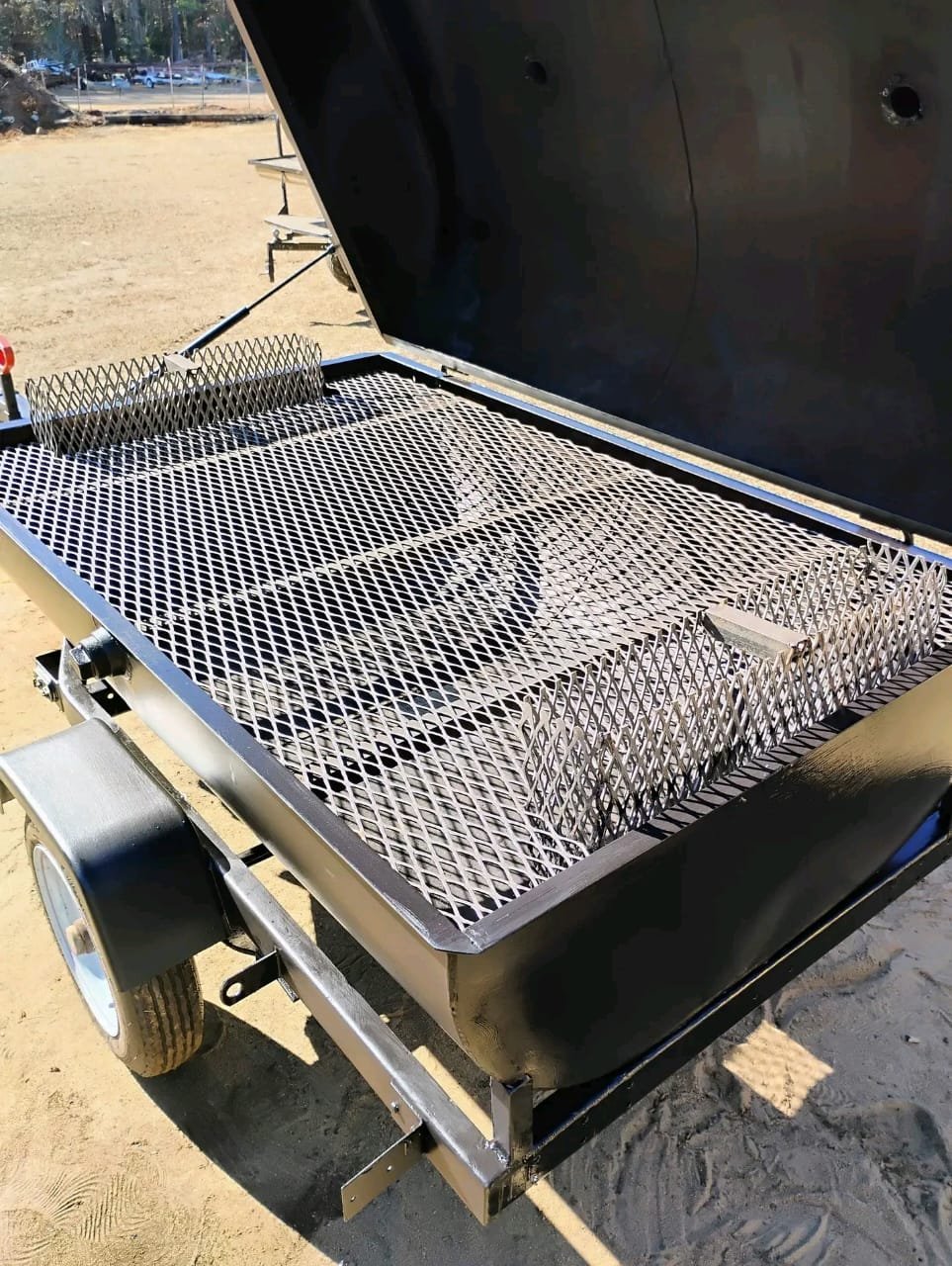
🍖 BBQ Grills
Browse gas, charcoal, and hybrid grills built for backyard cookouts, family gatherings, and professional outdoor cooking.
Explore Every Style of BBQ Cooking
Whether you're a backyard griller, competition pitmaster, or commercial BBQ business owner, discover premium equipment designed for every cooking style and experience level.
Pellet cooking
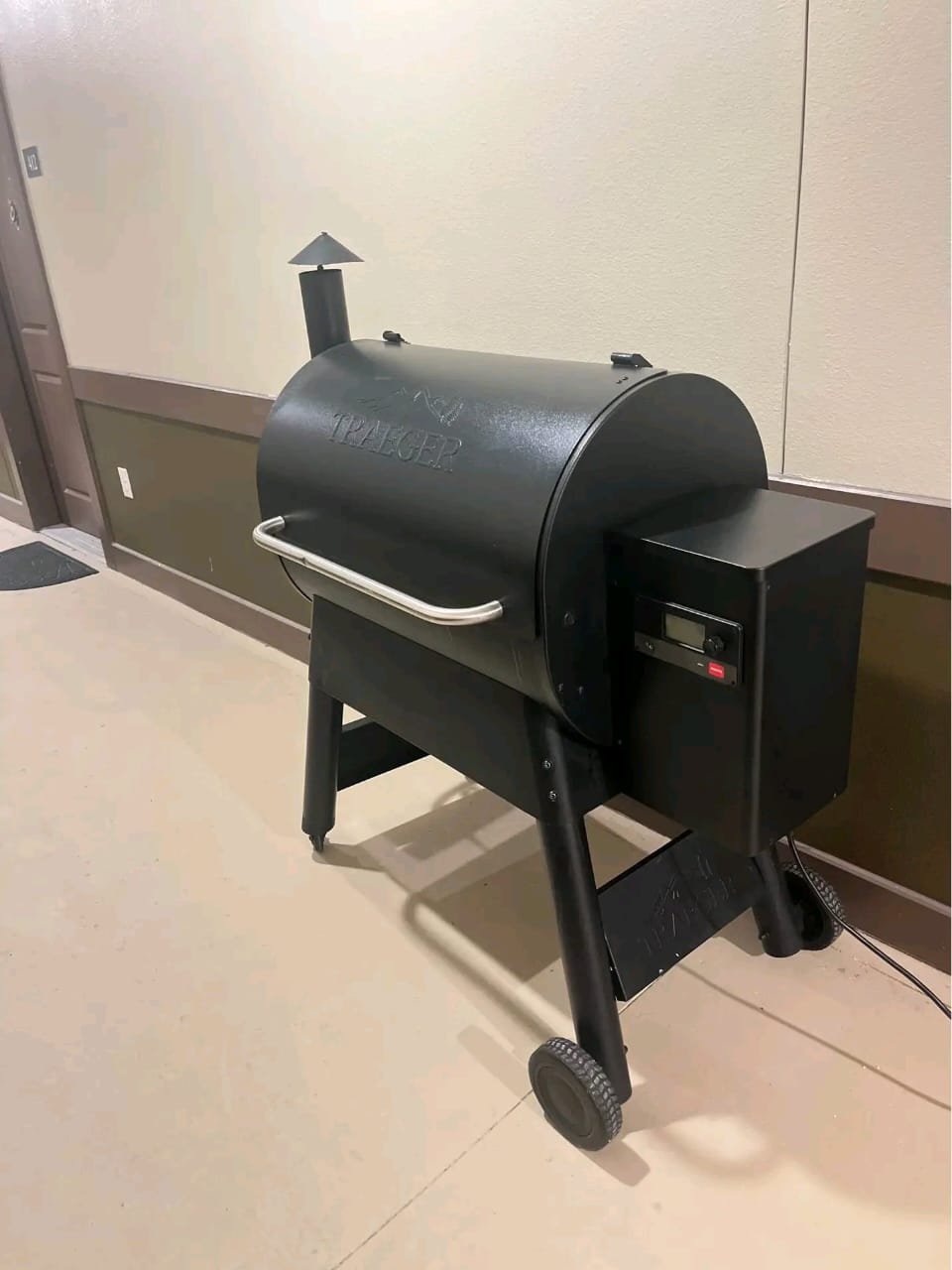
🌲 Pellet Grilling
Premium pellet grills are carefully packaged and shipped using trusted carriers to ensure they arrive ready for years of reliable outdoor cooking. This section provides information about pellet grill delivery, freight shipping for larger models, manufacturer warranty coverage, replacement parts, and customer support. Whether you're shopping for your first pellet grill or upgrading to a competition-grade model, we're here to make the buying process simple and stress-free.
Offset cooking
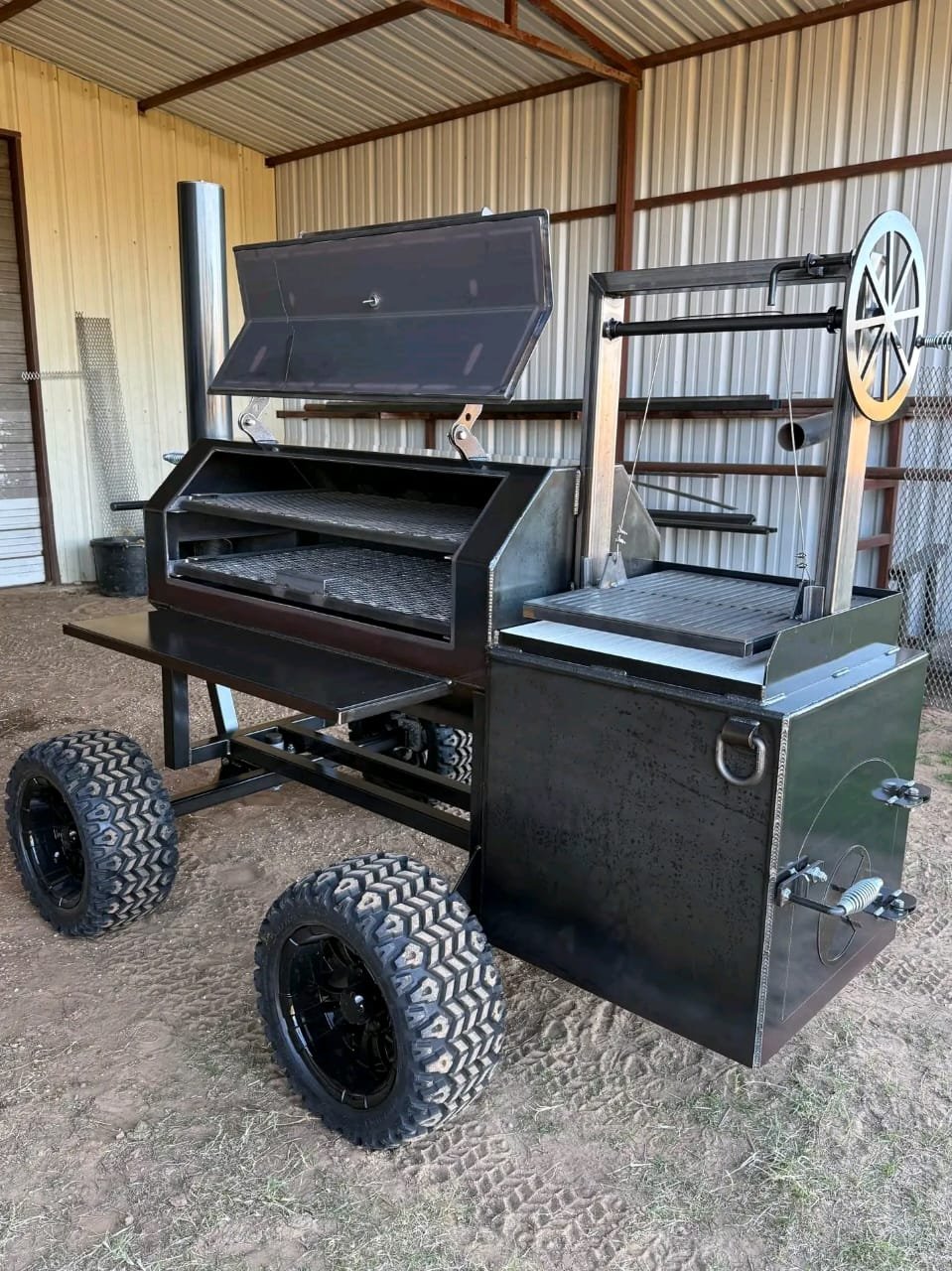
💨 Offset Smokers
Offset smokers are built for authentic wood-fired barbecue and often require specialized freight shipping because of their size and weight. Learn how offset smokers are prepared for shipment, what to expect during freight delivery, and how manufacturer warranties may help protect your equipment against eligible manufacturing defects. Our team is available to answer questions before and after your purchase.
Electric Grills
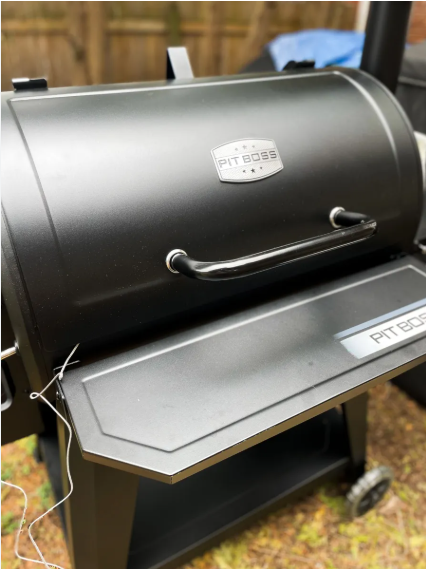
Electric Grills
Electric grills provide convenient, consistent barbecue with easy temperature control. Each unit is carefully prepared for shipment and supported by manufacturer warranty information where applicable. Learn more about processing times, delivery options, warranty coverage, and customer support to help you enjoy worry-free outdoor cooking from day one.
Kamado Grills
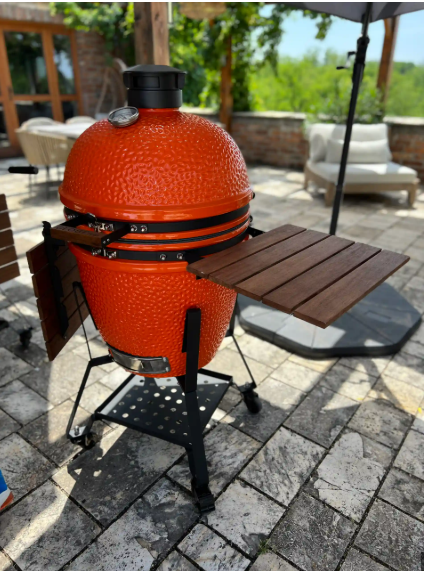
Kamado Grills
Kamado grills are crafted from durable ceramic or other premium materials that require careful handling during transportation. To help protect these products in transit, many models are shipped using specialized freight or reinforced packaging. Manufacturer warranties vary by brand and may include coverage for ceramic components and selected parts. Our team is available to assist with shipping questions and warranty information before and after delivery.
Commercial cooking

🏭 Commercial BBQ
Professional-grade smokers, grills, and trailers designed for restaurants, caterers, food trucks, and large-scale BBQ operations.
Backyard BBQ
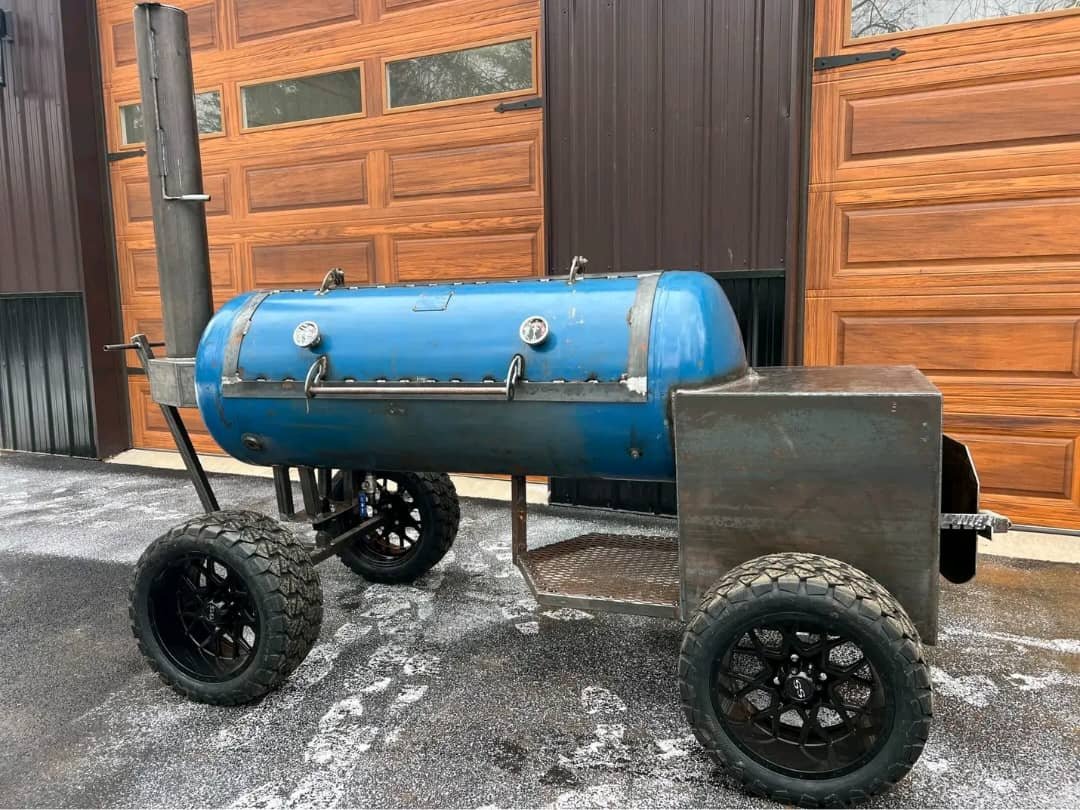
Backyard BBQ
Upgrade your outdoor cooking space with premium smokers and grills perfect for weekend barbecues and family gatherings.
Trailers
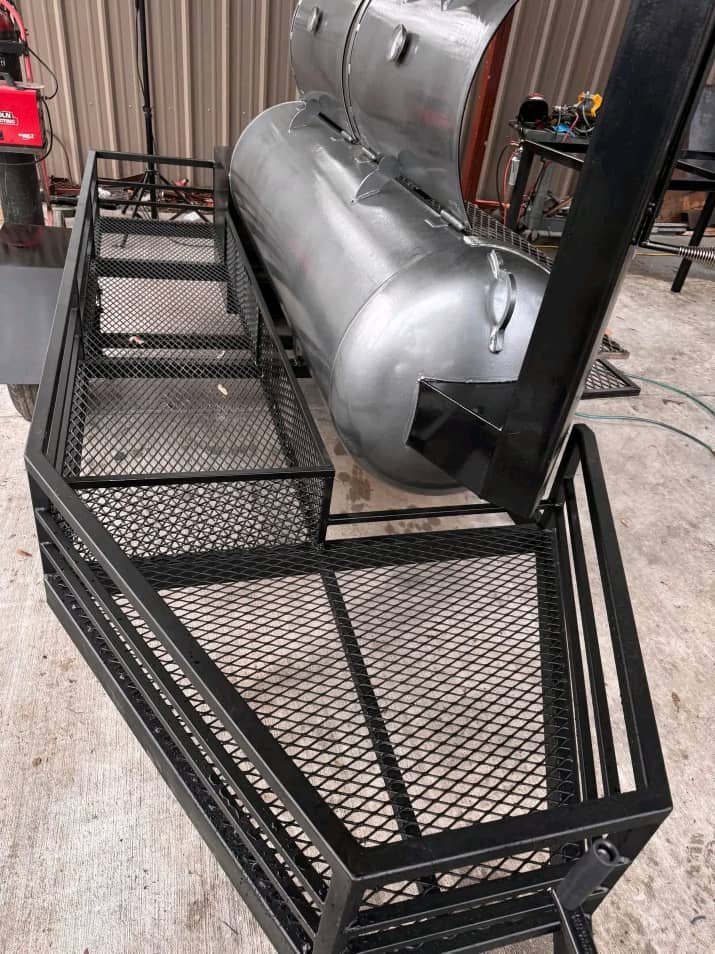
BBQ Trailers
Explore custom-built BBQ trailers engineered for catering, competitions, festivals, and mobile barbecue businesses.
Accessories
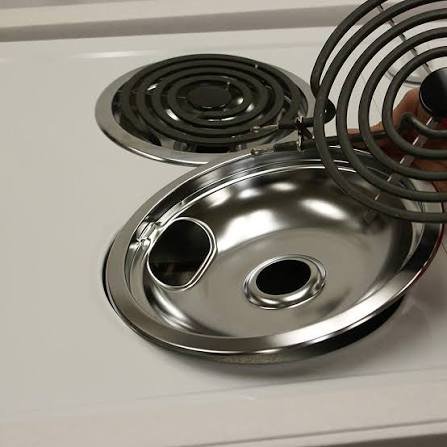
🧰 BBQ Accessories
Complete your outdoor cooking setup with premium BBQ accessories, replacement parts, tools, thermometers, covers, and grilling essentials.
Charcoal Grills
Charcoal Grills
From traditional kettle grills to heavy-duty charcoal cooking systems, our charcoal grills are shipped with care to help ensure safe delivery. Many models include manufacturer warranty coverage for eligible components, while our customer support team is available to provide shipping updates, maintenance recommendations, and assistance with warranty-related questions.
Gas Grills
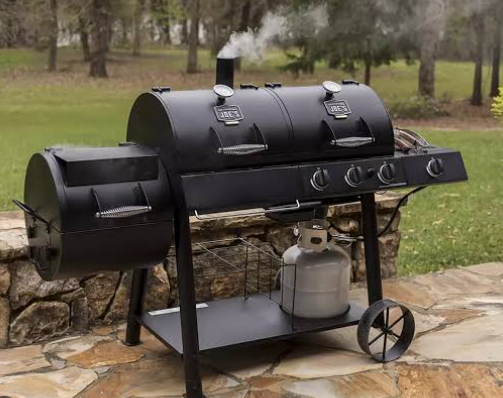
Gas Grills
Our premium gas grills are designed to deliver dependable performance for backyard cooking and outdoor entertaining. Shipping methods vary depending on the grill's size and configuration, with larger units often transported via freight carriers. Manufacturer warranty coverage differs by brand and may include burners, cooking systems, ignition components, and structural parts. Review individual product information for specific warranty details.
Outdoor Kitchens

Outdoor kitchen
Outdoor kitchens are custom-designed spaces that often include built-in grills, smokers, refrigeration, storage, countertops, and additional outdoor cooking features. Shipping methods, installation requirements, and warranty coverage vary depending on the components selected and the manufacturers involved. Our team works closely with customers to coordinate delivery and provide guidance throughout the purchasing process.
Catering
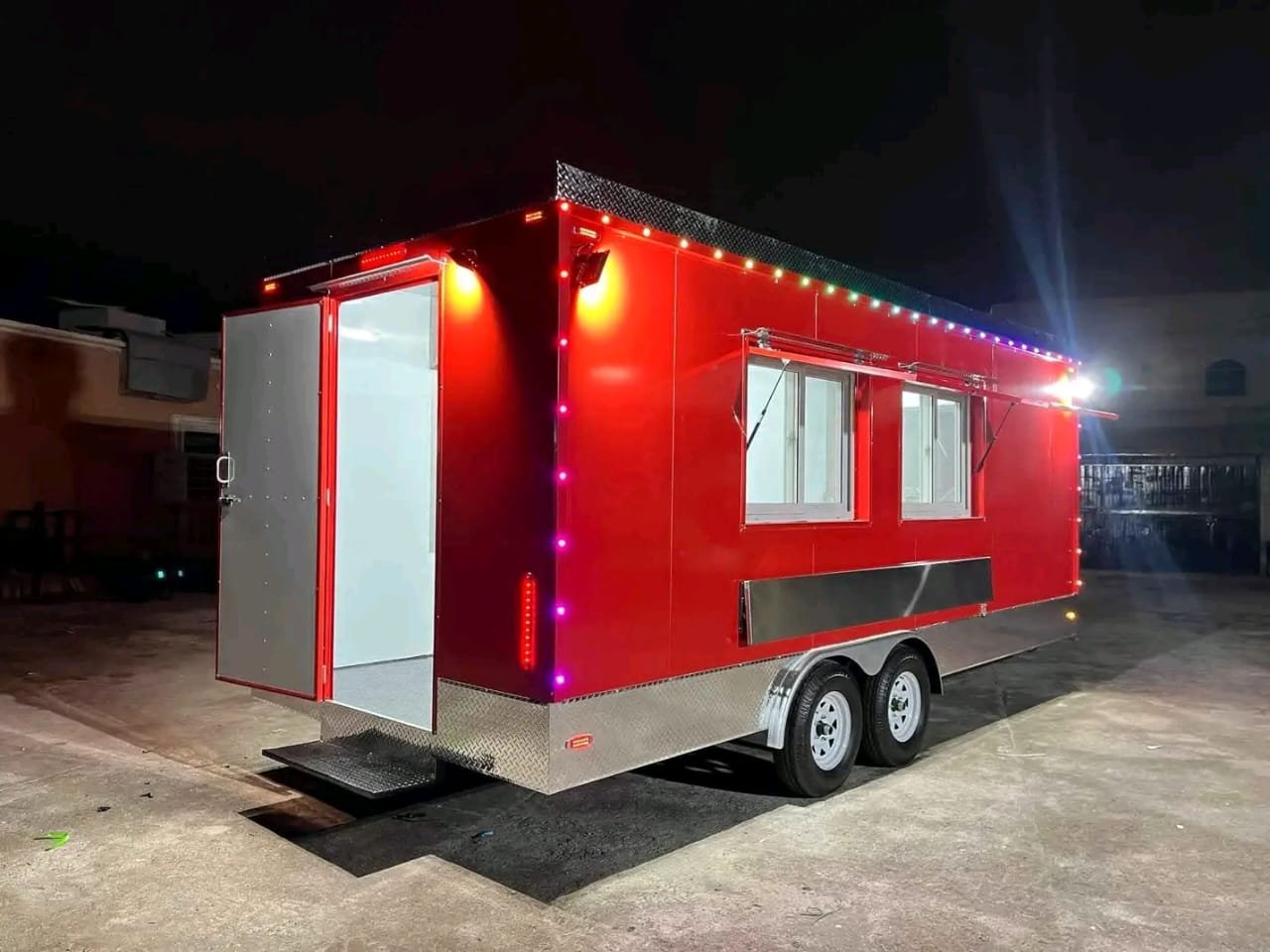
🚚 Catering Equipment
Mobile BBQ trailers, smokers, and outdoor cooking equipment built to support catering businesses and event professionals.
Customization Options
What Can Be Customized?
🔥 BBQ Smokers
- Cooking chamber size
- Firebox configuration
- Reverse-flow design
- Vertical cabinets
- Additional racks
- Thermometers
- Wagon wheels
- Stainless shelves
- Insulation
- Custom paint
🍖 Pellet Grills
- Cooking surface
- Hopper capacity
- Shelving
- Competition carts
- Wi-Fi controllers
- Storage
🚛 BBQ Trailers
- Trailer size
- Smoker placement
- Storage cabinets
- Water tanks
- Sinks
- Serving windows
- Lighting
- Awnings
- Generator mounts
🍔 Food Trucks
- Kitchen layout
- Cooking equipment
- Refrigeration
- Ventilation
- Plumbing
- Electrical systems
- Branding
Choose Your Finish
⚫ Matte Black
⚪ Stainless Steel
🟤 Powder Coat
🔴 Custom Colors
🏁 Commercial Finish
Essential BBQ Accessories
Understanding the different types of fuel is key to optimizing your BBQ cooking. Hardwood, charcoal, wood pellets, propane, natural gas, and electric smokers each offer unique benefits and flavors. Selecting the right fuel can significantly impact your cooking performance and the taste of your food.
For a smoky flavor, hardwood and wood pellets are excellent choices. Charcoal provides a traditional BBQ taste, while propane and natural gas offer convenience and control. Electric smokers are perfect for those who prefer a set-and-forget approach. Choose quality fuel to ensure the best results in your BBQ endeavors.
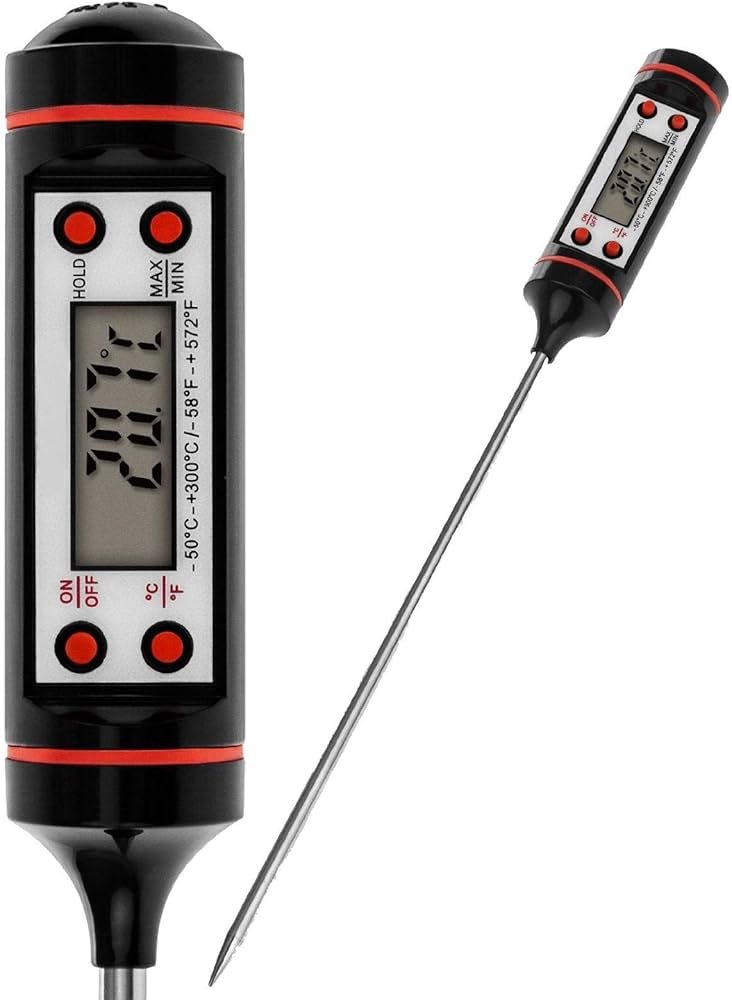
Digital Thermometers 1
🌡 Digital Meat Thermometers
Monitor internal meat temperatures with confidence using accurate instant-read and wireless thermometers. Perfect for brisket, ribs, pork shoulder, poultry, and steaks, these tools help prevent overcooking while ensuring food safety and consistent BBQ results.

Chimney starter
🔥 Chimney Starters
Light your charcoal quickly, safely, and efficiently without the need for lighter fluid. Chimney starters improve airflow and produce evenly heated coals, helping you achieve faster ignition, cleaner burning fires, and better cooking performance for charcoal grills, smokers, and outdoor fire pits.
Drip pans
🍽 Drip Pans
Keep your smoker or grill cleaner while improving cooking efficiency with heavy-duty drip pans. Designed to catch grease, drippings, and food debris, drip pans simplify cleanup, reduce flare-ups, and help maintain a cleaner cooking environment during long smoking sessions or everyday grilling.
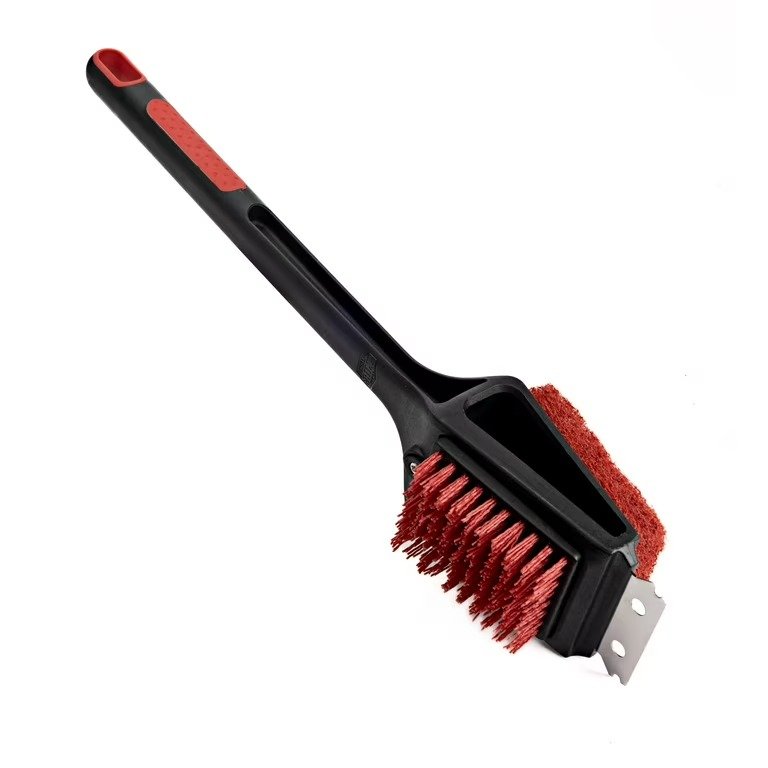
Grill brush
🧹 Grill Brushes
Maintain clean cooking grates and improve grilling performance with heavy-duty grill brushes designed to remove grease, carbon buildup, and food residue. Regular cleaning helps preserve cooking surfaces, promotes better heat transfer, and extends the life of your BBQ smoker or grill.
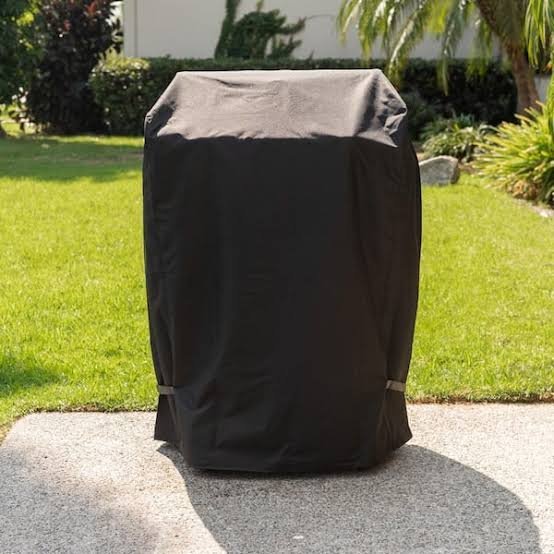
Grill covers
🛡 Grill Covers
Protect your investment from rain, snow, wind, dust, UV exposure, and harsh outdoor conditions with durable, weather-resistant grill covers. Designed to fit a variety of pellet grills, offset smokers, charcoal grills, gas grills, and outdoor kitchens, these covers help extend the lifespan of your equipment year-round.
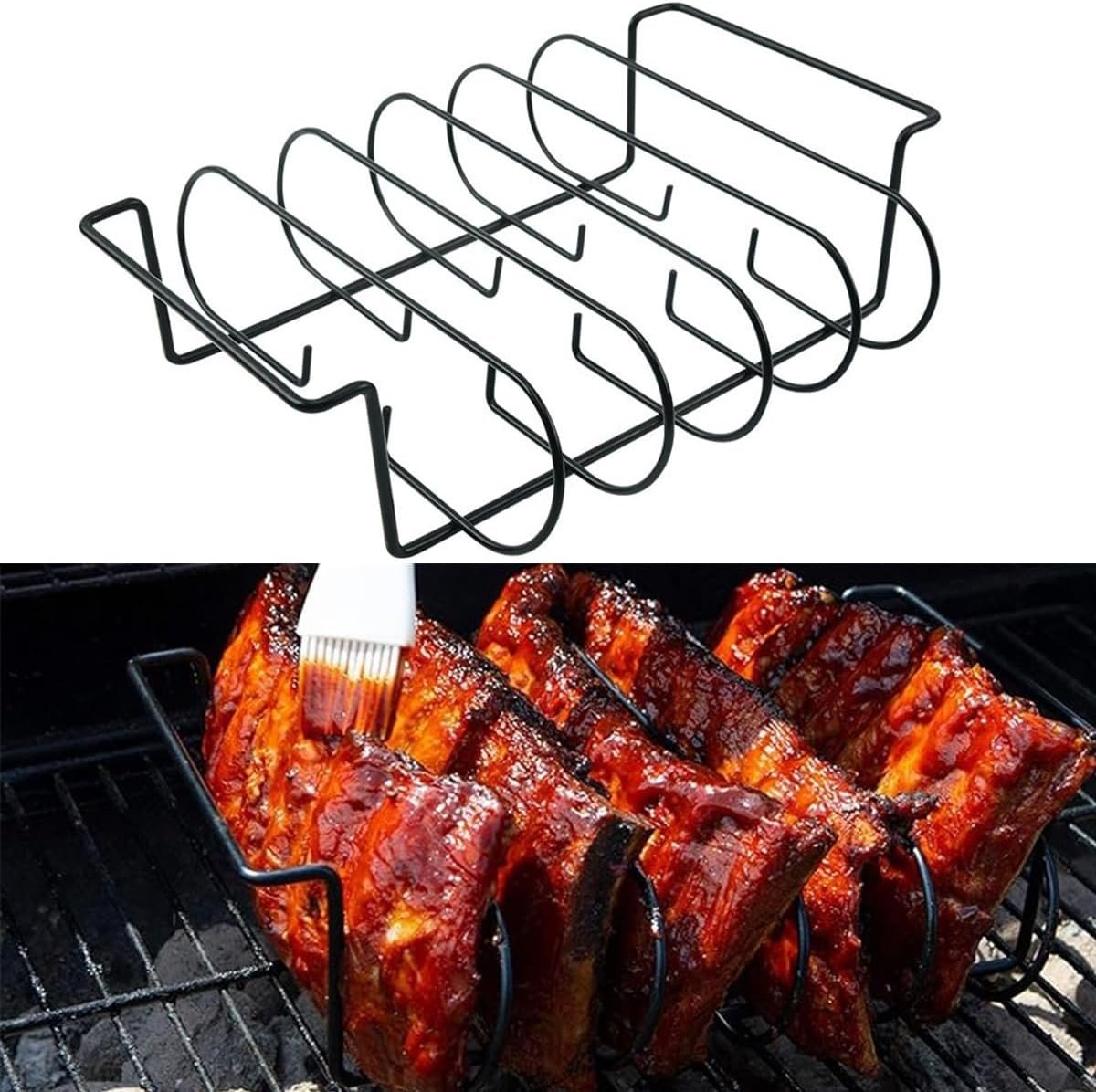
Rib Racks
🍖 Rib Racks
Maximize cooking capacity by using premium rib racks that allow multiple racks of ribs to cook evenly while improving smoke circulation. Rib racks are perfect for backyard BBQs, family gatherings, competitions, and commercial smoking operations where efficiency and consistent results are essential.
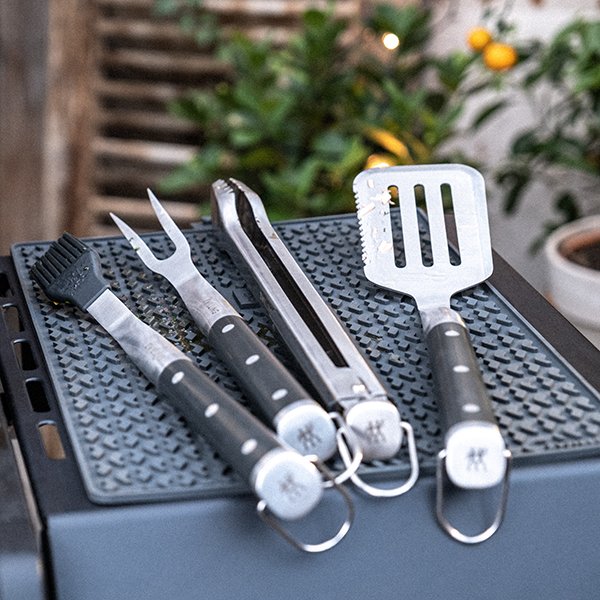
BBQ Tool Sets
Every pitmaster needs reliable grilling tools. Our premium BBQ tool sets include durable spatulas, tongs, forks, basting brushes, meat claws, carving knives, skewers, and cleaning tools designed to make food preparation, grilling, smoking, and serving easier. Perfect for beginners, experienced grillers, and commercial BBQ operations.
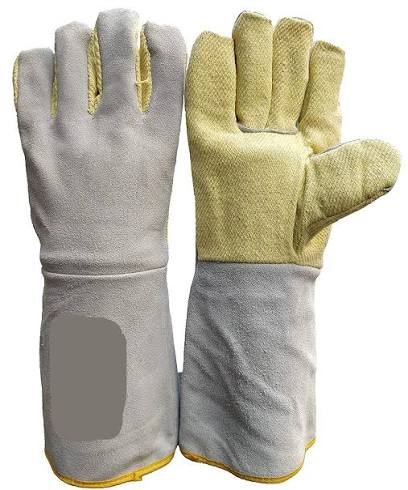
Heat-resistant gloves
🧤 BBQ Gloves
Protect your hands from extreme heat while handling hot cooking grates, cast iron cookware, charcoal, firewood, smoker doors, and grilling tools. Our heat-resistant BBQ gloves provide comfort, flexibility, and superior protection, making them an essential accessory for safely managing high-temperature cooks.

Tel-Tru Thermometer
Tel-Tru thermometer for accurate temperature monitoring.
🌡 Tru-Tel Thermometers
Monitor your smoker or grill with confidence using high-quality Tru-Tel thermometers. Known for their accuracy and durability, these premium temperature gauges help maintain consistent cooking temperatures for pellet grills, offset smokers, charcoal grills, and custom BBQ smokers. An essential upgrade for achieving professional-quality BBQ results.
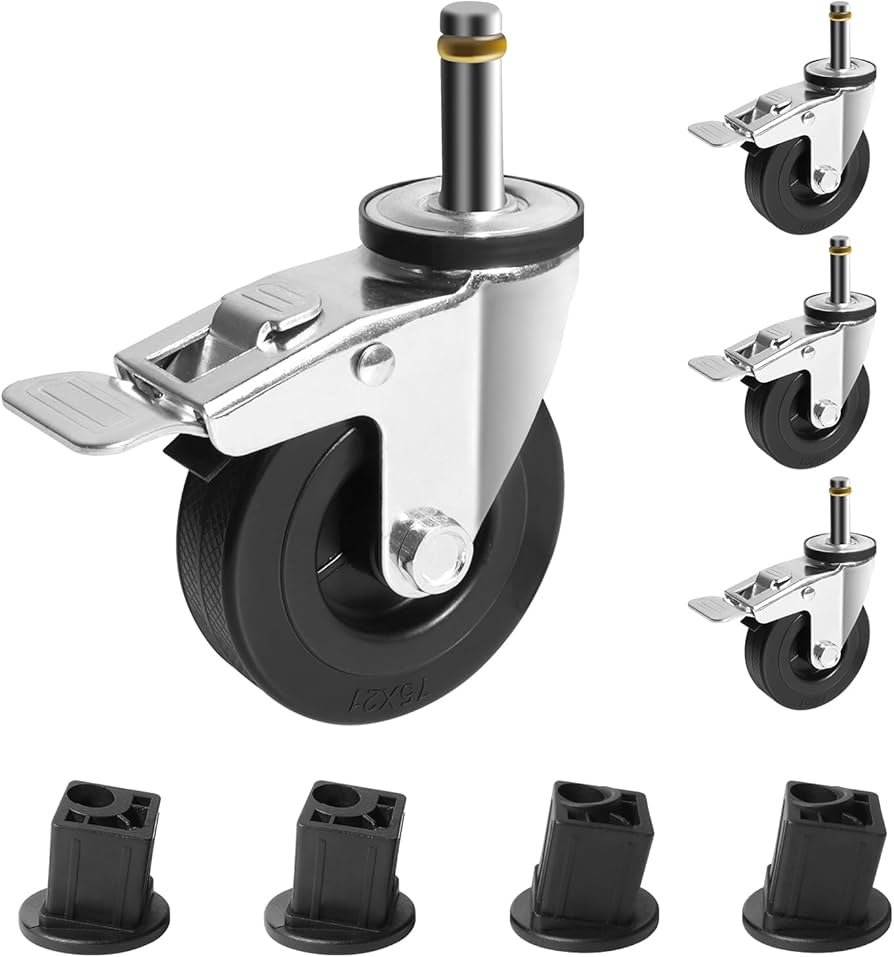
Heavy-Duty Casters 1
Increase the mobility of your smoker, grill, or outdoor kitchen with heavy-duty locking casters built to support substantial weight while providing smooth movement across patios, driveways, garages, and commercial kitchens. Locking mechanisms help keep your equipment securely positioned during cooking.
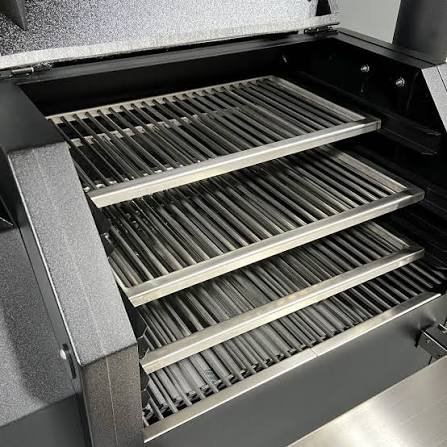
Stainless Steel Shelves 1
Expand your preparation and storage space with premium stainless steel shelves. Ideal for food preparation, seasoning stations, serving trays, and BBQ accessories, these durable shelves resist corrosion, clean easily, and provide valuable workspace for both residential and commercial cooking environments.
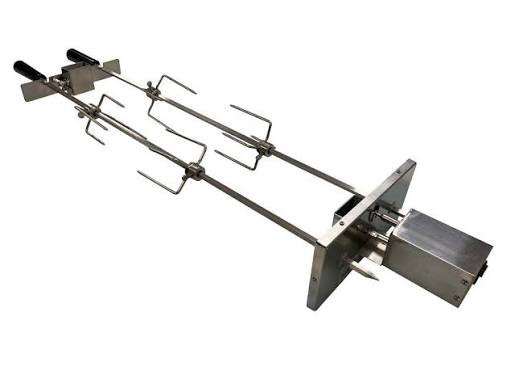
Rotisserie Systems 1
🔄 Rotisserie Systems
Cook whole chickens, roasts, pork loins, and other large cuts evenly with a high-performance rotisserie system. Slow, continuous rotation promotes self-basting, even heat distribution, and beautifully browned meats while enhancing tenderness and flavor.
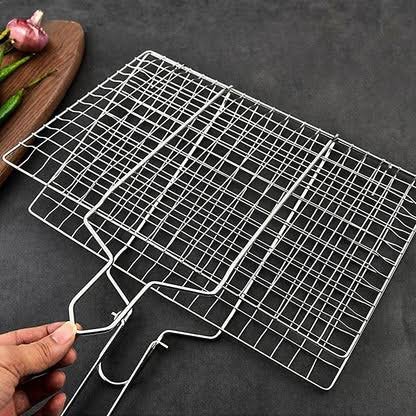
Extra Cooking Racks 1
🍗 Extra Cooking Racks
Increase your smoker's cooking capacity with additional cooking racks that provide more space for ribs, briskets, chicken, sausages, vegetables, and other BBQ favorites. Extra racks help improve productivity during family gatherings, catering events, competitions, and commercial food service.
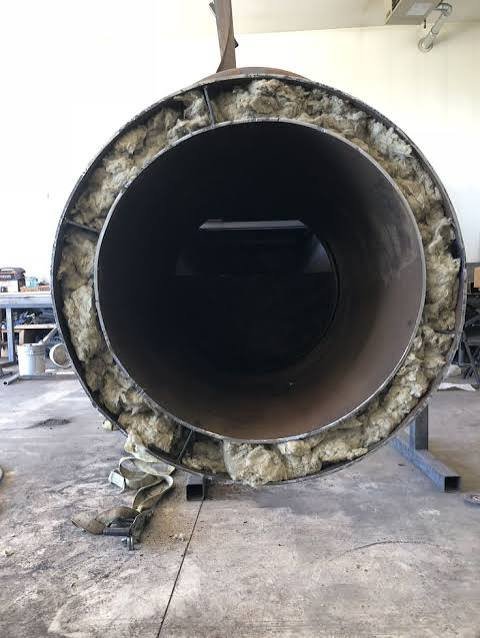
Firebox Insulation 1
🔥 Fire Insulation Systems
Improve fuel efficiency and temperature stability with premium fire insulation systems. Insulated fireboxes and heat retention upgrades help maintain consistent cooking temperatures, reduce fuel consumption, and improve smoker performance during cold weather or extended low-and-slow cooking sessions.
BBQ Safety Tips
Getting Started with BBQ
Welcome to Smoke & Grill Hub
At Smoke & Grill Hub, we are dedicated to providing BBQ enthusiasts with top-quality smokers, grills, and accessories. Our products are designed for both backyard cooks and professional pitmasters, ensuring a perfect barbecue experience every time. Explore our range of custom BBQ equipment and discover the joy of outdoor cooking.
Temperature Guide
Meat Type
Chicken
165°F
10 min
Pork Butt
195-205°F
Rest Time
1 hour
Brisket
203°F
2+ hours
Ribs
Target Temp
195°F
15 min
Salmon
145°F
5 min
Meat Type
Turkey
165°F
30 min
Lamb
145°F
Target Temp
15 min
Beef Steak
135°F
5 min
Duck
Rest Time
165°F
10 min
Venison
145°F
10 min
Meat Type
Fish
145°F
5 min
Shellfish
145°F
Target Temp
5 min
Goose
165°F
30 min
Rabbit

Mastering Fire Management
Control the Heat, Master the Flavor
Effective fire management is crucial for achieving the perfect barbecue. Whether you're using an offset smoker or a pellet grill, understanding how to control the heat and smoke will elevate your cooking. Learn the techniques that ensure consistent temperatures and flavorful results every time.
Meat Temperature Guide
Chicken
165°F
10 min
Pork Butt
195-205°F
1 hour
Brisket
203°F
2+ hours
Ribs
195°F
15 min
Lamb
145°F
10 min
Beef Steak
135°F (Medium Rare)
5 min
Turkey
165°F
20 min
Fish
145°F
5 min
Duck
165°F
15 min
Veal
145°F
3 min
Venison
145°F
10 min
Goose
165°F
15 min
Rabbit
160°F
5 min
Quail
165°F
5 min
Game Birds
165°F
15 min
Elk
145°F
10 min

Join Our BBQ Community
Your First Cook is Just the Beginning
Common Questions for New BBQ Owners
How do I properly season my new smoker?
To season your smoker, coat the interior with a high smoke point oil and heat it to 250-300°F for 3-4 hours. This process helps to create a protective layer and eliminate any manufacturing residues.
What type of wood should I use for smoking?
For the best flavor, use seasoned hardwoods like hickory, oak, or fruitwoods. Avoid green wood or softwoods as they can produce unpleasant flavors.
How often should I clean my smoker?
It's important to clean your smoker after every use. Remove ash and grease buildup to ensure consistent performance and prevent flare-ups.
Why is my smoker not holding temperature?
Check for leaks in the seals, ensure vents are properly adjusted, and clean out any ash that may be blocking airflow. These steps can help stabilize temperature.
What should I cook first on my new smoker?
Start with something forgiving like chicken thighs. They are easy to cook, require less time, and help you get familiar with temperature control.