

Tips for New BBQ Smokers & Grill Owners
Welcome to the world of BBQ! Whether you're a novice or just looking to enhance your grilling skills, mastering the art of BBQ can transform your outdoor cooking experiences. From setting up your equipment to perfecting your cooking techniques, we're here to guide you every step of the way.

Mastering the Basics of Outdoor Cooking
Outdoor cooking is an art that combines flavor, technique, and the right equipment. By understanding how to use your smoker or grill effectively, you can enhance the taste and texture of your meals. Proper usage not only improves flavor but also ensures consistency and prolongs the life of your equipment.
What Beginners Can Expect
Every pitmaster starts somewhere, and it's perfectly normal to have a learning curve. During your first few cooks, you'll become familiar with controlling temperatures, selecting the right fuel, understanding airflow, and learning how different cuts of meat respond to heat and smoke. Each cook builds your confidence and helps you refine your technique.
As you continue your BBQ journey, you'll discover new recipes, experiment with different wood flavors, and develop the skills needed to consistently produce delicious results. With the right equipment, quality ingredients, and a willingness to learn, you'll soon be creating barbecue that's worthy of sharing with family, friends, and fellow BBQ enthusiasts.
Remember, great barbecue isn't about perfection—it's about enjoying the process, learning from every cook, and having fun along the way.
Understanding the Difference Between Grilling and Smoking
Although they're often mentioned together, grilling and smoking are two distinct cooking methods.
Grilling uses direct, high heat—typically between 350°F and 600°F—to cook food quickly. It's ideal for burgers, steaks, hot dogs, seafood, vegetables, and other foods that benefit from a crisp exterior and shorter cooking times.
Smoking, on the other hand, relies on indirect, low-and-slow heat—usually between 180°F and 275°F—combined with hardwood smoke to slowly cook meat over several hours. This method produces tender, juicy results with the rich, smoky flavor that authentic barbecue is known for. Popular smoked foods include brisket, pork shoulder, ribs, whole chickens, turkey, and sausages.
Many modern pellet grills and combination smokers allow you to enjoy both grilling and smoking in a single unit, giving you greater versatility for every type of outdoor cook.
Why Smoking and Grilling Are Rewarding Hobbies
Owning a BBQ smoker or grill opens the door to endless culinary possibilities. From juicy burgers and perfectly seared steaks to tender pulled pork, smoked ribs, and flavorful brisket, you can create restaurant-quality meals right in your own backyard. As your skills grow, you'll learn how different woods, seasonings, temperatures, and cooking techniques influence flavor, allowing you to develop your own signature BBQ style.
Beyond the food, BBQ is a social experience. It's about gathering family and friends, celebrating special occasions, hosting weekend cookouts, and enjoying the satisfaction of preparing meals from start to finish. Whether you're cooking for two or feeding a crowd, every barbecue is an opportunity to create lasting memories.
Starting with the basics, it's essential to know how to control temperature, manage fuel, and maintain your grill or smoker. These foundational skills are crucial for any BBQ enthusiast aiming to achieve delicious, mouth-watering results every time.

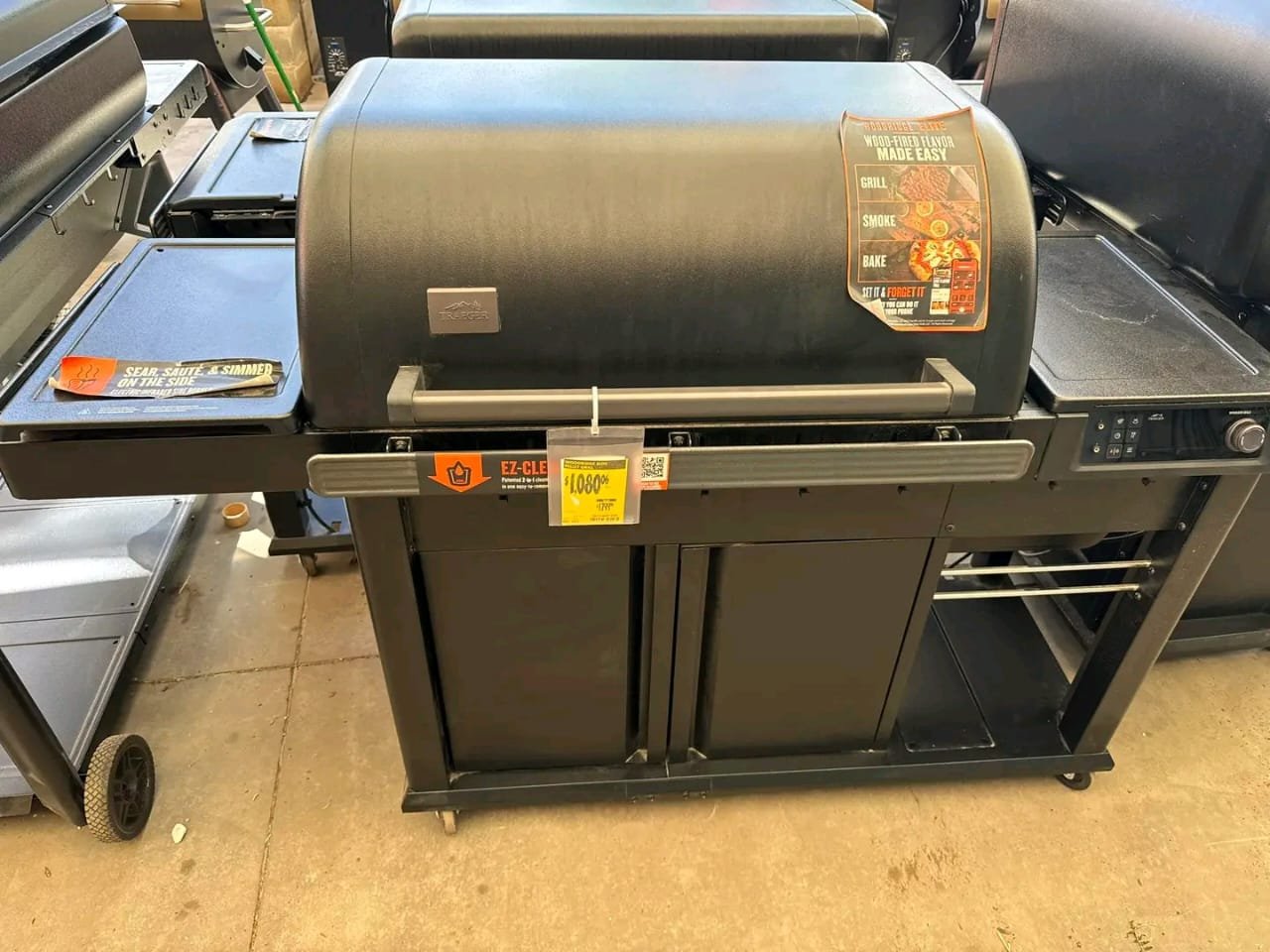
Pellet Grills
Pellet grills combine the rich flavor of wood-fired cooking with the convenience of digital temperature control. Fueled by hardwood pellets, they automatically maintain consistent heat, making them perfect for smoking, grilling, roasting, baking, and searing. Ideal for beginners and experienced pitmasters alike, pellet grills deliver reliable performance with minimal effort.
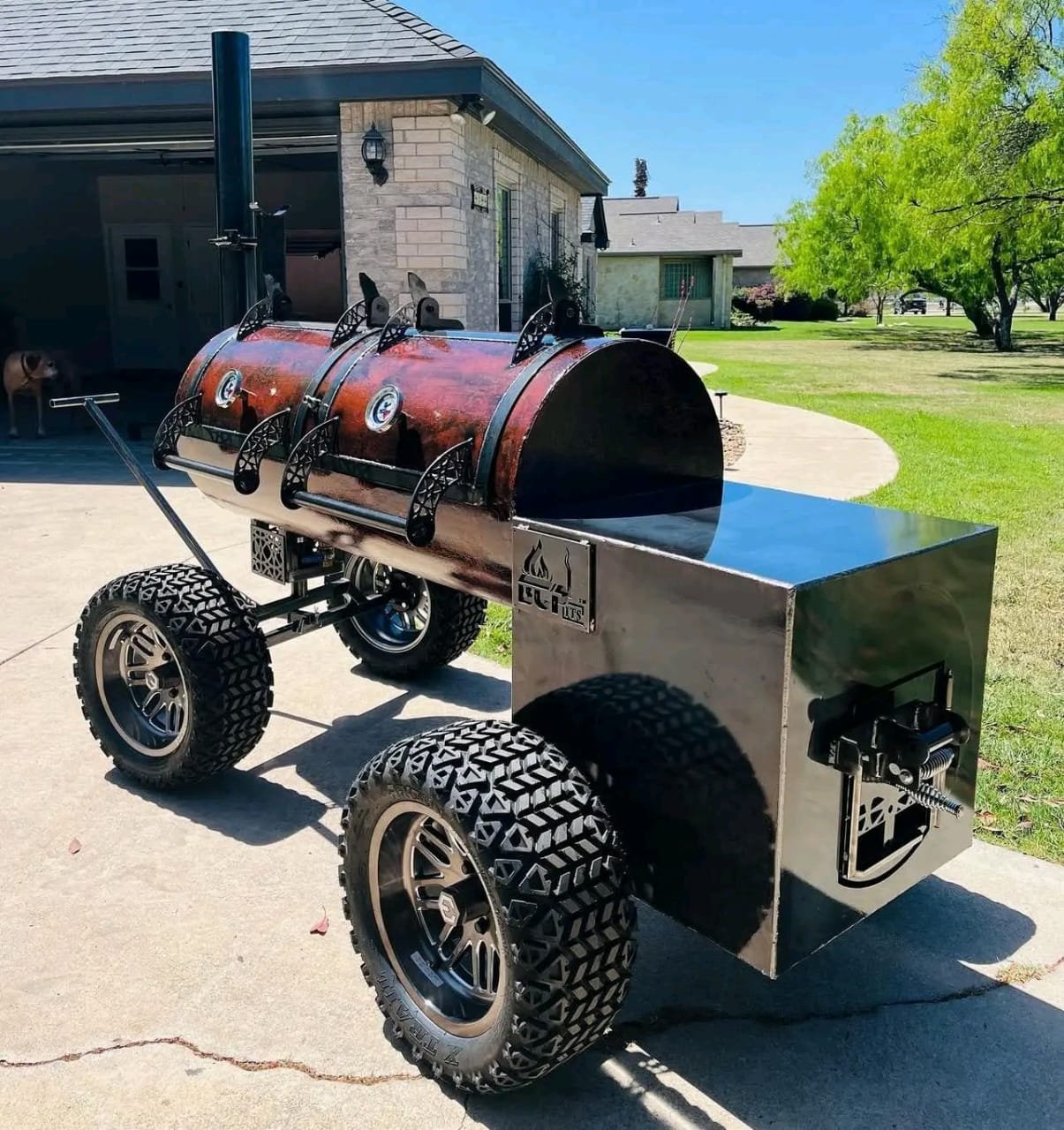
Offset Smokers
Offset smokers are the traditional choice for authentic low-and-slow barbecue. Featuring a separate firebox that channels heat and smoke through the cooking chamber, they produce deep, smoky flavor and exceptional bark on brisket, ribs, pork shoulder, and more. Perfect for BBQ enthusiasts who enjoy mastering the art of fire management.
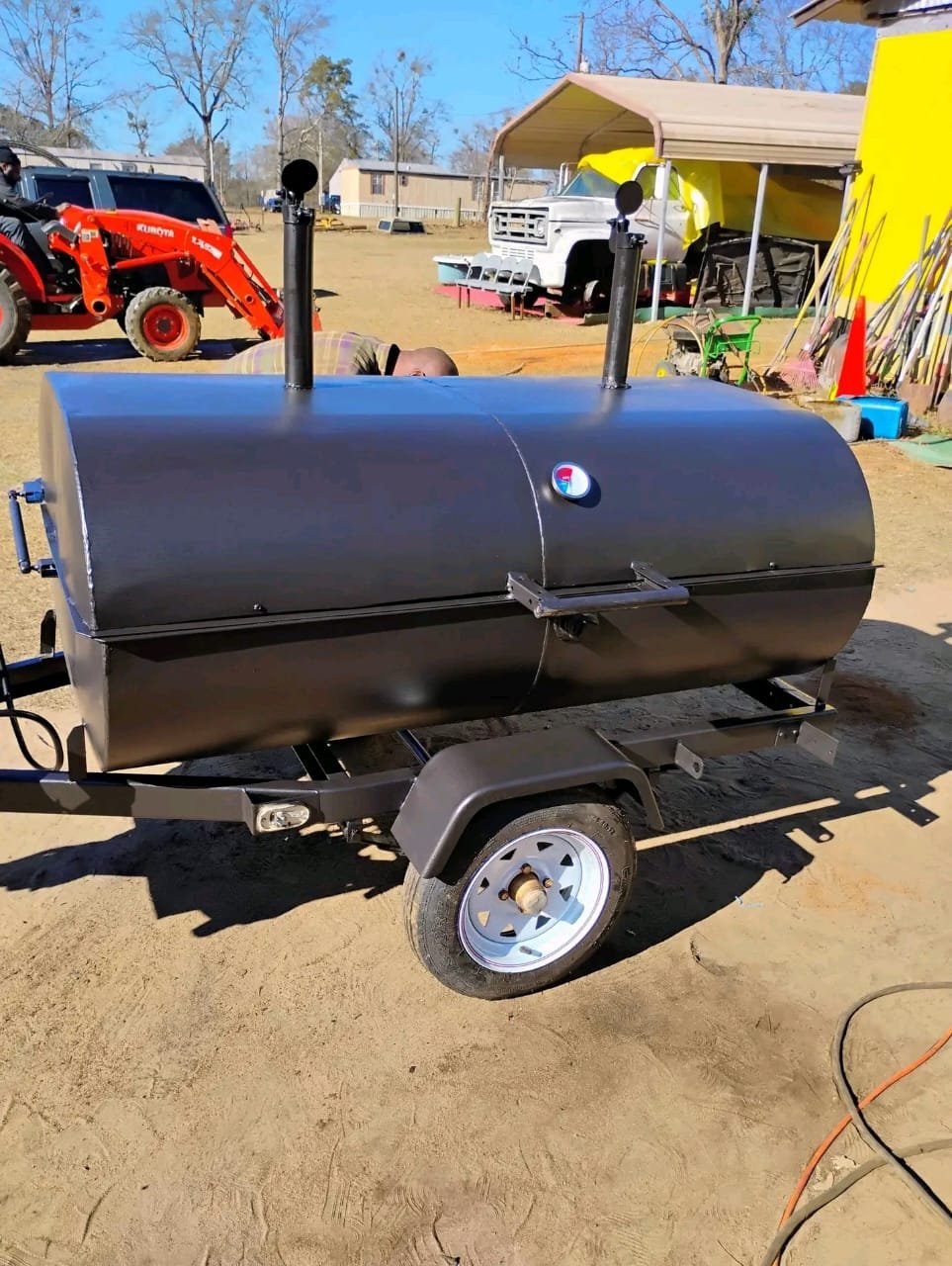
Charcoal Grills
Charcoal grills are prized for their ability to create rich, smoky flavor and high-heat searing. Whether you're cooking burgers, steaks, vegetables, or slow-smoking meats using indirect heat, charcoal grills offer excellent versatility, affordability, and the classic BBQ taste loved by generations of outdoor cooking enthusiasts.
Gas Grills
Gas grills provide fast ignition, precise temperature control, and convenient everyday cooking. Using propane or natural gas, they heat quickly and are perfect for weeknight meals, family cookouts, and entertaining guests. Their ease of use and low maintenance make them a popular choice for homeowners seeking dependable outdoor grilling.
Electric Smokers
Electric smokers simplify the smoking process by maintaining consistent temperatures with the push of a button. Simply add wood chips for authentic smoke flavor while the smoker handles the heat automatically. They're an excellent option for beginners, apartment-friendly outdoor spaces where permitted, and anyone seeking hassle-free smoking.
Kamado Grills
Kamado grills feature thick ceramic construction that delivers outstanding heat retention and fuel efficiency. These versatile cookers excel at grilling, smoking, roasting, baking, and even making wood-fired pizzas. Their ability to maintain stable temperatures for extended periods makes them a favorite among backyard pitmasters and competition BBQ cooks.
Fuel Options for BBQ Cooking
Essential BBQ Accessories Every Beginner Needs
Understanding the different types of fuel is key to optimizing your BBQ cooking. Hardwood, charcoal, wood pellets, propane, natural gas, and electric smokers each offer unique benefits and flavors. Selecting the right fuel can significantly impact your cooking performance and the taste of your food.
For a smoky flavor, hardwood and wood pellets are excellent choices. Charcoal provides a traditional BBQ taste, while propane and natural gas offer convenience and control. Electric smokers are perfect for those who prefer a set-and-forget approach. Choose quality fuel to ensure the best results in your BBQ endeavors.
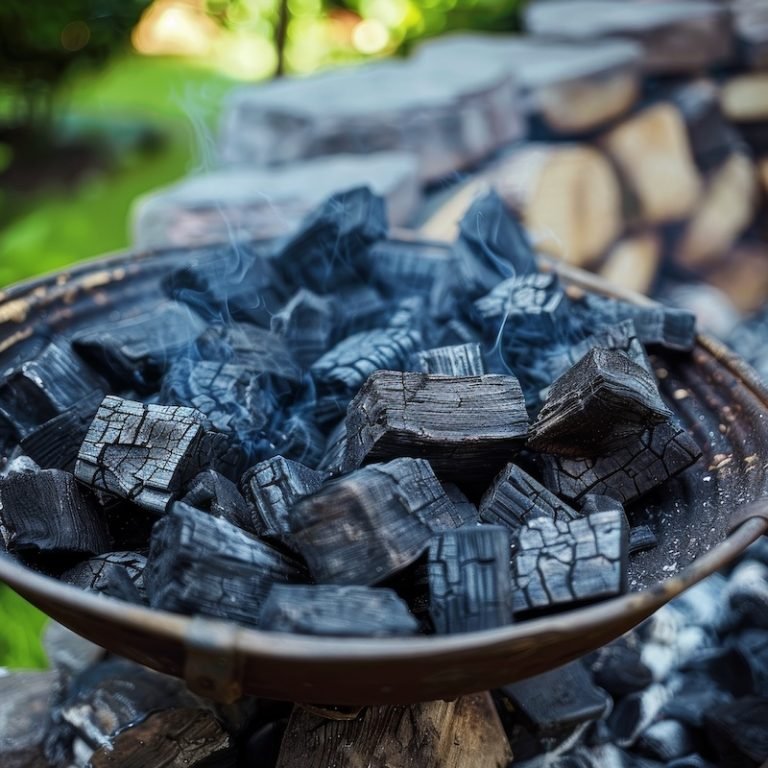
Charcoal

Chimney starter
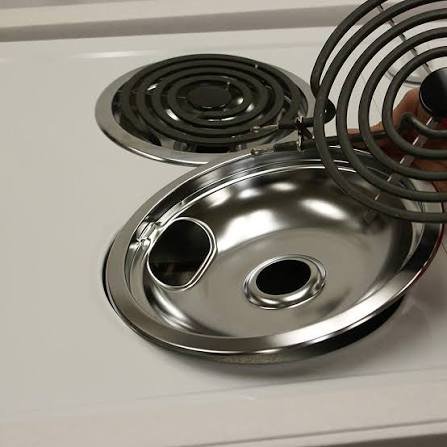
Drip pans
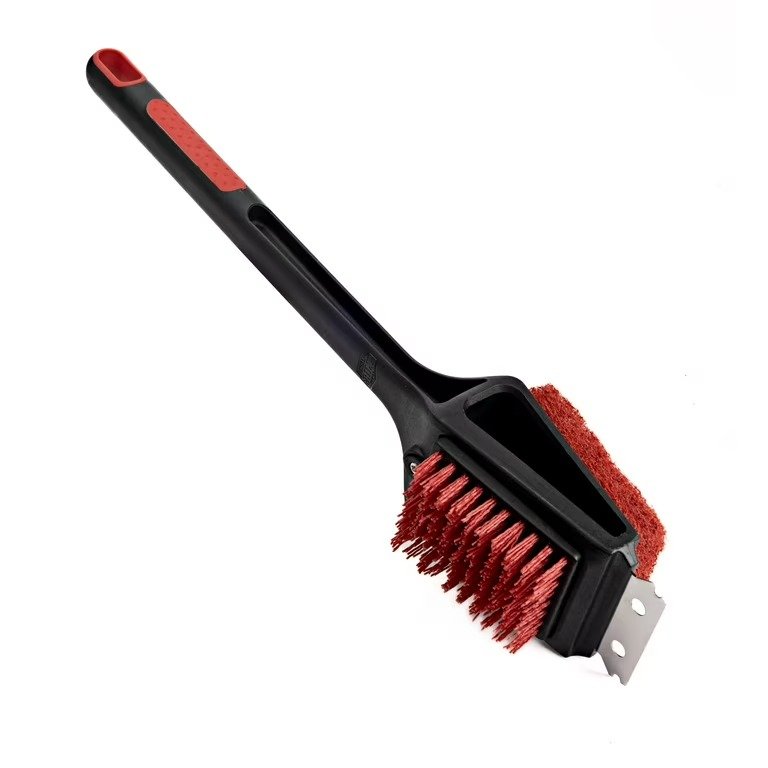
Grill brush
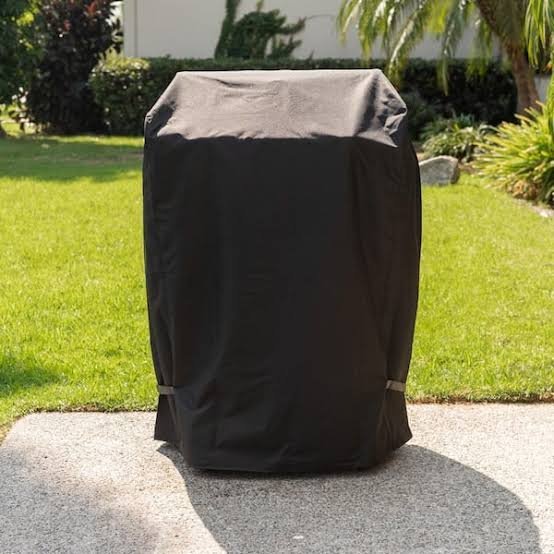
Grill covers
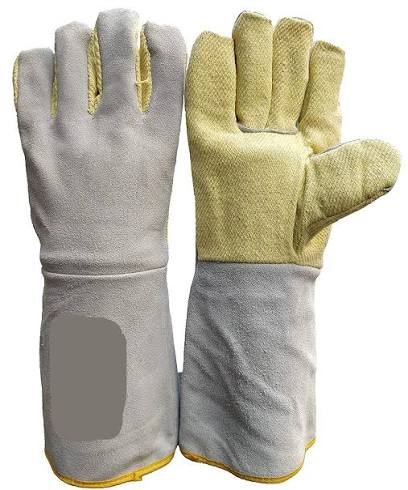
Heat-resistant gloves
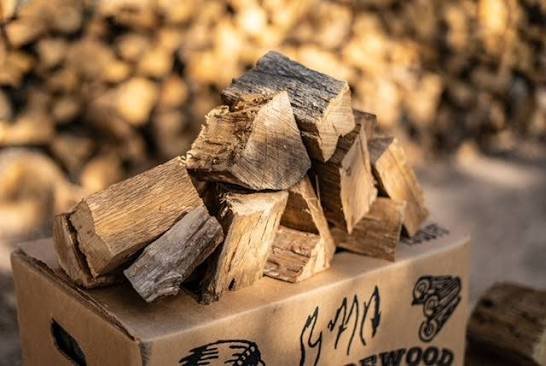
Smoking wood chunks
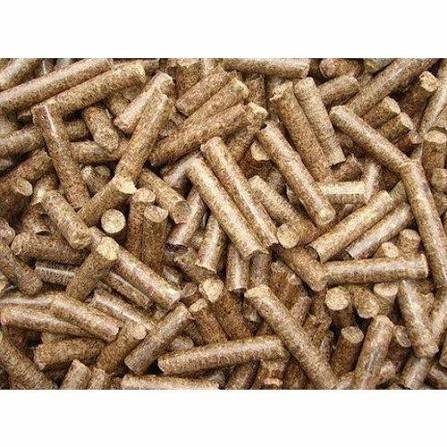
Wood pellets
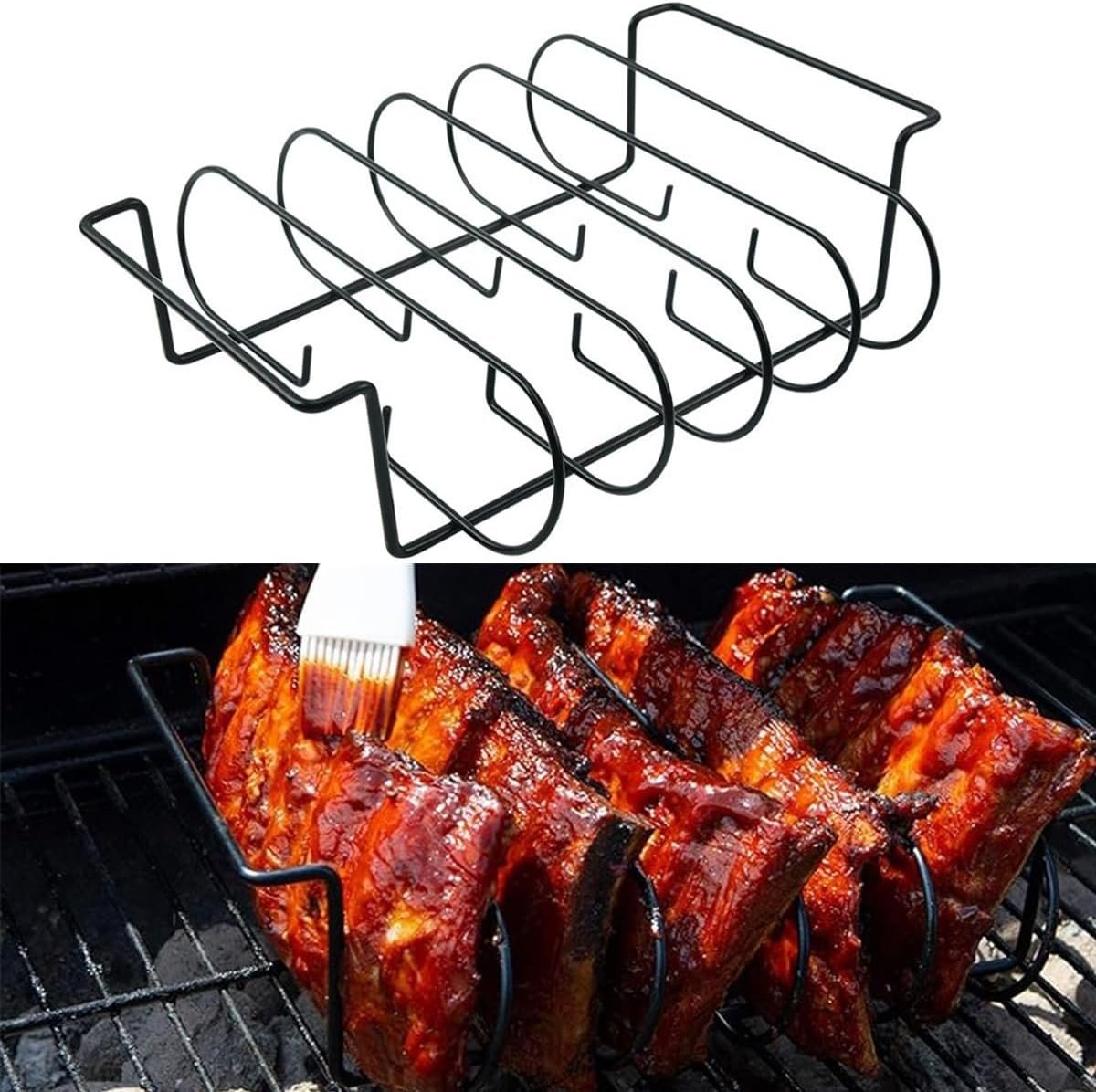
Rib Racks
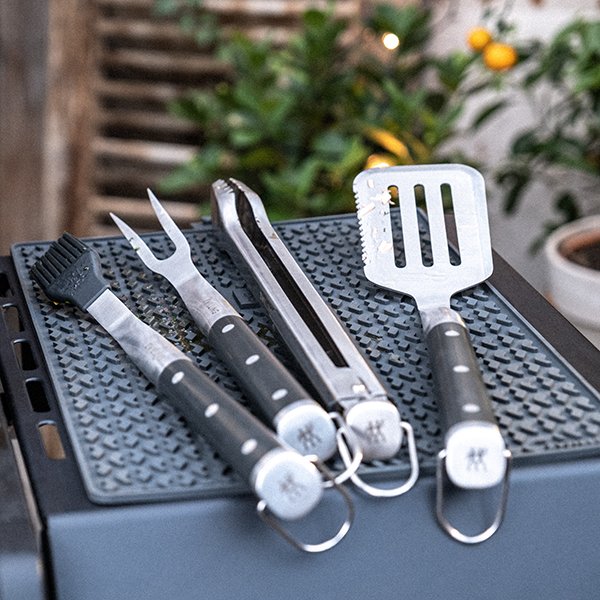
BBQ Tool Sets
Learn Your Fuel Types
🌳 Wood
Cooking with natural hardwood delivers the most authentic wood-fired BBQ flavor, producing rich smoke that enhances brisket, ribs, pork, poultry, and more. Different wood species such as hickory, oak, apple, cherry, pecan, and mesquite create unique flavor profiles. While wood requires more attention to manage the fire, it rewards pitmasters with unmatched taste and traditional barbecue results.
🔥 Charcoal
Charcoal is a favorite among BBQ enthusiasts for its ability to generate high heat and add a subtle smoky flavor to grilled foods. It offers excellent temperature control with proper airflow adjustments, making it suitable for both direct grilling and indirect smoking. Charcoal is ideal for burgers, steaks, chicken, vegetables, and slow-cooked barbecue.
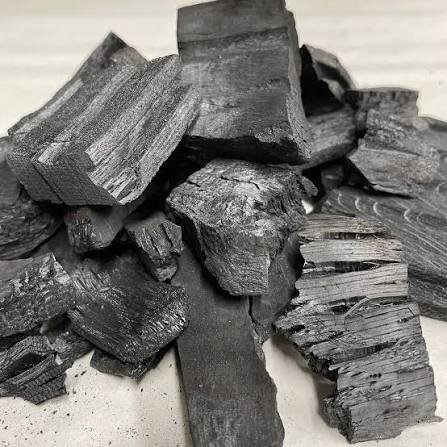
🪵 Hardwood Lump Charcoal
Made from natural hardwood, lump charcoal burns hotter, lights faster, and produces less ash than traditional briquettes. It creates a clean-burning fire with authentic smoky flavor, making it a top choice for grilling steaks, burgers, seafood, and low-and-slow smoking. Although it burns faster, it provides excellent responsiveness for experienced grillers.
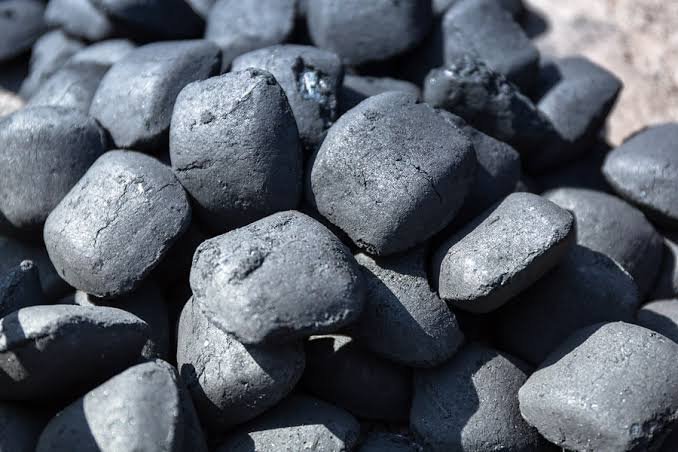
⚫ Briquettes
Charcoal briquettes are designed for consistent burn times and stable cooking temperatures, making them ideal for beginners and long barbecue sessions. They produce steady heat that's perfect for grilling, roasting, and indirect cooking. Their predictable performance makes briquettes a dependable choice for family cookouts and weekend BBQs.
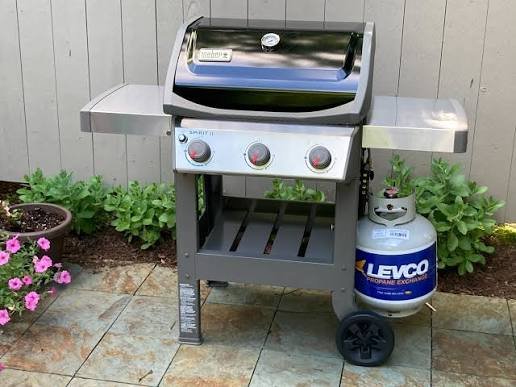
🔥 Propane
Propane offers quick ignition, instant heat, and precise temperature control, making it one of the most convenient fuels for everyday grilling. Gas grills powered by propane heat up rapidly and require minimal cleanup, making them perfect for burgers, steaks, chicken, seafood, vegetables, and weeknight meals. While propane produces less smoke flavor than wood or charcoal, it excels in convenience and efficiency.
Choosing the Right Wood
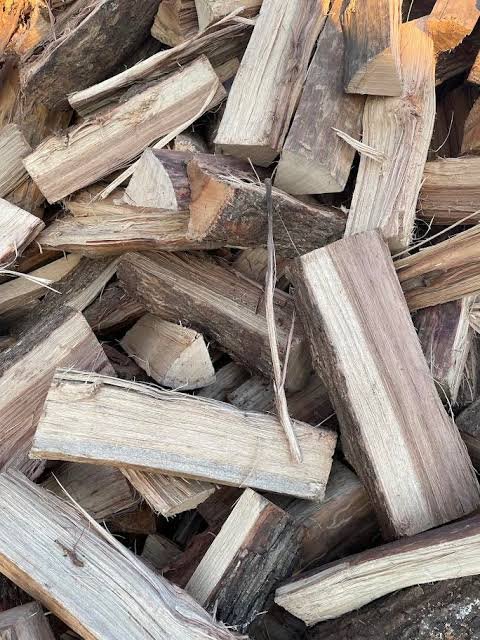
🌳 Hickory Wood
Hickory is one of the most popular hardwoods for traditional American barbecue, producing a strong, rich, and slightly sweet smoky flavor. It burns consistently and creates the deep smoke profile associated with authentic Southern BBQ. Hickory pairs exceptionally well with pork ribs, pork shoulder, brisket, beef ribs, ham, sausages, and whole chickens, making it a favorite among backyard pitmasters and competition cooks.
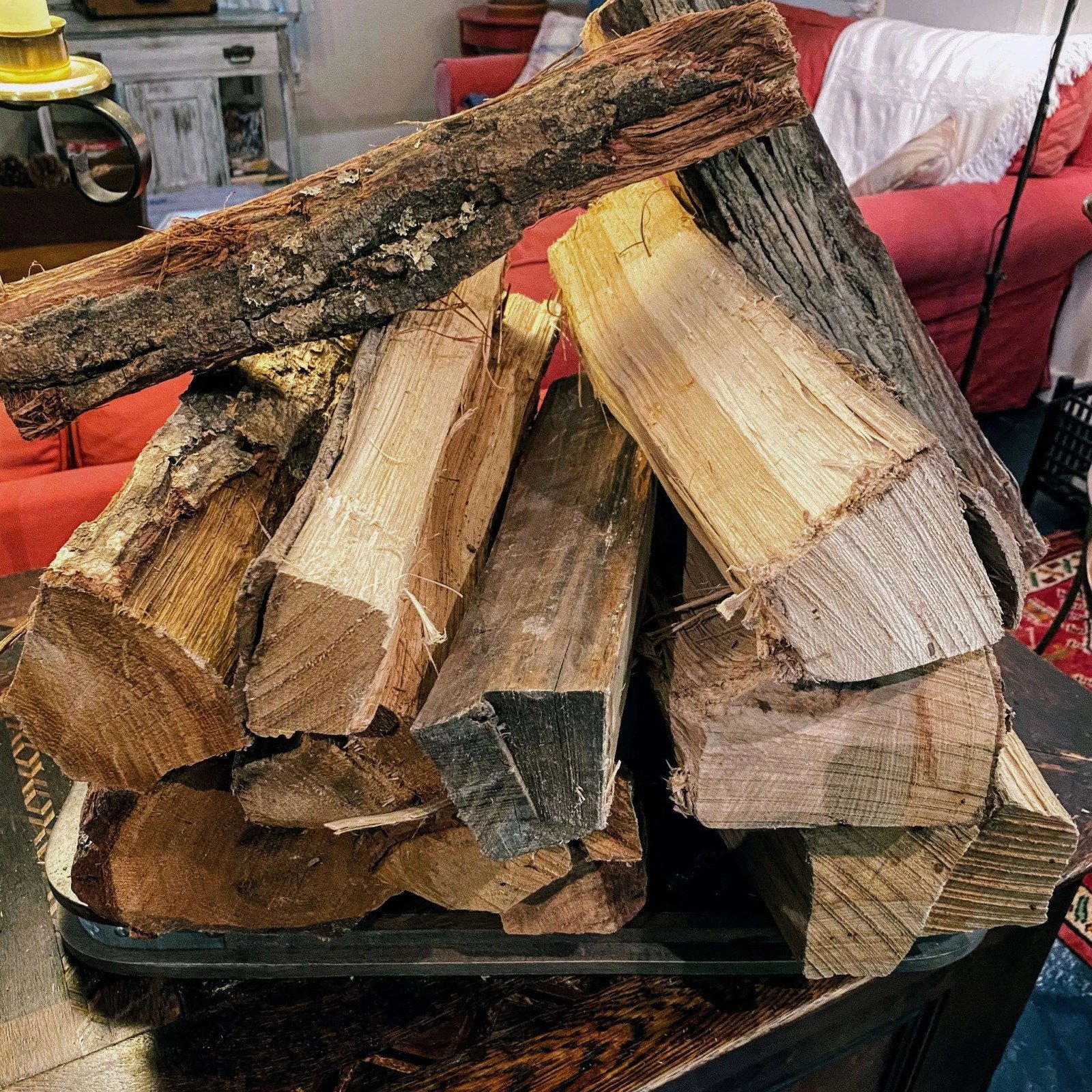
🌳 Oak wood
Oak is a versatile hardwood that delivers a medium smoky flavor with excellent heat output and long burn times. Its balanced smoke complements food without overpowering it, making it an excellent all-purpose wood for both beginners and experienced grillers. Oak is ideal for brisket, beef roasts, pork, lamb, turkey, chicken, and game meats.
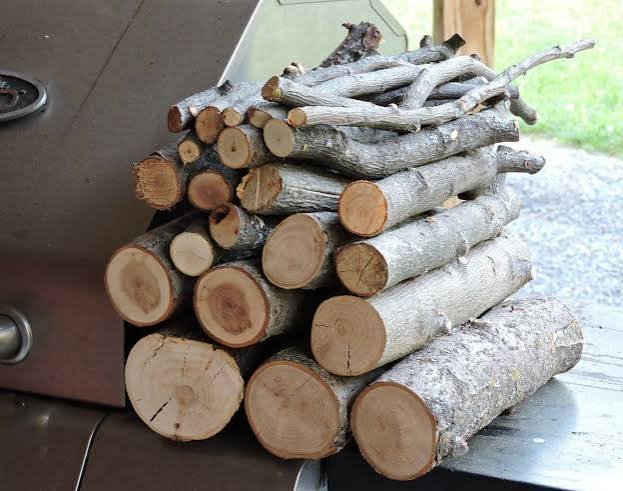
🍎 Apple Wood
Apple wood produces a mild, sweet, and fruity smoke that enhances food without overwhelming its natural flavors. It burns steadily and is perfect for delicate meats, adding a subtle sweetness that creates beautifully balanced barbecue. Apple wood is especially recommended for pork loin, ribs, chicken, turkey, seafood, vegetables, and smoked cheeses.

🍒 Cherry Wood
Cherry wood creates a mild, slightly sweet smoke while adding a rich mahogany color to meats during cooking. It blends well with stronger woods such as hickory or oak and is prized for producing attractive bark on smoked meats. Cherry wood is an excellent choice for ham, pork shoulder, chicken, turkey, duck, beef, and wild game.
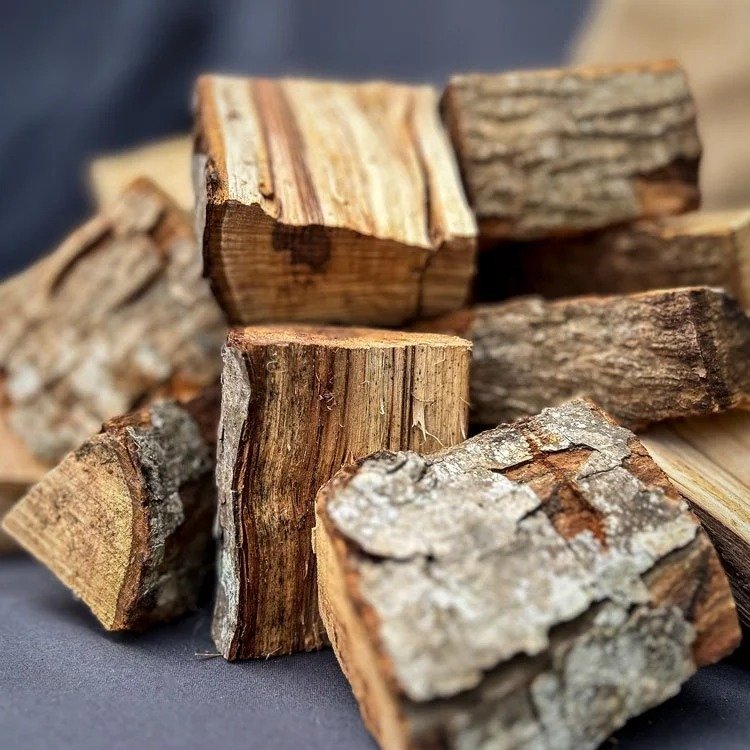
🌰 Pecan Wood
Pecan wood offers a rich, nutty flavor that is milder than hickory but deeper than most fruitwoods. It burns slowly and provides a smooth smoke that enhances a wide variety of foods without becoming overpowering. Pecan is ideal for brisket, pork ribs, pulled pork, chicken, turkey, sausages, and baked desserts prepared on the grill.
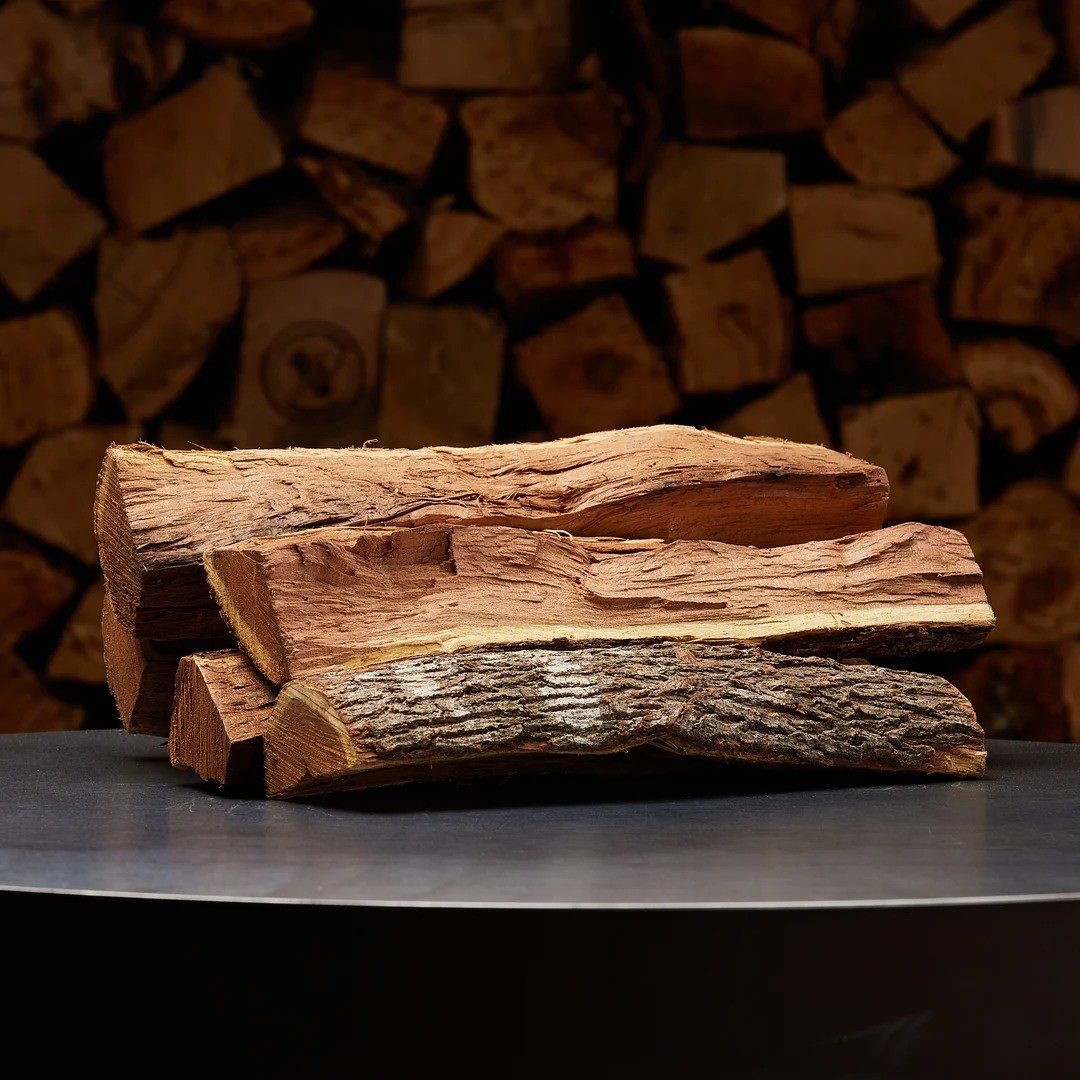
🌵 Mesquite Wood
Mesquite produces an intense, earthy, and bold smoke flavor that burns extremely hot. It's commonly used in Texas-style barbecue and is best suited for shorter cooking sessions or mixed with milder woods to prevent overpowering delicate foods. Mesquite pairs perfectly with beef brisket, steaks, burgers, beef ribs, venison, and other red meats.

🍁 Maple Wood
Maple wood creates a light, subtly sweet smoke that enhances food with a delicate flavor while allowing the natural taste of the meat to shine. Its mild profile makes it an excellent choice for everyday smoking and grilling, especially for lighter proteins. Maple is recommended for chicken, turkey, pork chops, ham, seafood, vegetables, and smoked nuts.
Understanding Temperature Control
One of the most important skills every BBQ enthusiast can develop is learning how to control cooking temperatures. Whether you're grilling burgers over high heat or smoking a brisket for 12 hours, maintaining the correct temperature is the key to producing flavorful, juicy, and perfectly cooked food. Understanding how different heat levels affect your food will help you cook with greater confidence and consistency.
Direct Heat Cooking
Direct heat places food directly above the heat source, allowing it to cook quickly at higher temperatures. This method creates a flavorful crust, attractive grill marks, and excellent caramelization, making it ideal for foods that cook in a short amount of time.
Typical temperature range: 350°F–600°F
Best for:
- Steaks
- Burgers
- Hot dogs
- Chicken breasts
- Seafood
- Vegetables
- Kebabs
Smoking Temperatures
Smoking is all about patience. Maintaining a steady cooking temperature helps smoke penetrate the meat while slowly rendering fat and connective tissue. Different foods benefit from slightly different temperature ranges depending on the desired texture and cooking time.
Recommended smoking temperatures:
- Fish: 180°F–200°F
- Chicken: 250°F–275°F
- Pork shoulder: 225°F–250°F
- Brisket: 225°F–250°F
- Ribs: 225°F–275°F
Low & Slow Cooking
Low-and-slow cooking is the foundation of traditional barbecue. This method uses indirect heat at temperatures ranging from 180°F to 275°F over an extended period, allowing connective tissues in tougher cuts of meat to gradually break down. The result is tender, juicy meat with a rich smoky flavor and beautiful bark.
Best for:
- Beef brisket
- Pork shoulder
- Beef ribs
- Pork ribs
- Whole chicken
- Turkey
- Sausages
Indirect Heat Cooking
Indirect heat cooks food beside the heat source instead of directly over it. This creates a gentle, even cooking environment that prevents burning while allowing larger cuts of meat to cook thoroughly. It's especially useful for roasting and smoking.
Typical temperature range: 225°F–350°F
Best for:
- Whole chickens
- Pork loin
- Roasts
- Large steaks
- Ribs
- Prime rib
Searing Temperatures
Searing uses very high heat to create a flavorful crust while locking in moisture and enhancing appearance. This technique is commonly used for steaks, burgers, pork chops, and other premium cuts before or after slow cooking.
Typical searing temperature: 450°F–700°F
High-temperature searing creates the rich color, texture, and caramelized flavor that many BBQ enthusiasts look for in perfectly cooked meats.
Common Beginner Mistakes
🚫 Opening the Lid Too Often
Every time you lift the lid of your smoker or grill, valuable heat and smoke escape, causing the cooking temperature to drop. This can significantly increase cooking time and make it difficult to maintain consistent results. Trust your thermometer, resist the temptation to check too frequently, and only open the lid when necessary for basting, turning, or checking doneness.
🌲 Using Too Much Wood
More smoke doesn't always mean better barbecue. Using excessive wood can produce thick, bitter smoke that overpowers the natural flavor of your food. Aim for a light, clean stream of smoke rather than heavy white clouds. A moderate amount of quality hardwood provides the balanced smoky flavor that great BBQ is known for.
🌬️ Poor Airflow Management
Proper airflow is essential for maintaining a clean-burning fire and stable cooking temperatures. Closing vents too much can cause dirty smoke and bitter flavors, while excessive airflow may create temperatures that are too high. Learning how to adjust intake and exhaust vents helps you control heat, fuel efficiency, and smoke quality for consistently delicious results.
🔥 Not Preheating Your Grill or Smoker
Preheating your grill or smoker ensures stable cooking temperatures and clean combustion before food is added. Skipping this step can lead to uneven cooking, poor searing, and inconsistent smoke production. Allow your equipment to reach the desired temperature before placing food on the cooking grate for the best possible results.
🌡️ Ignoring Meat Temperature
Cooking by time alone can lead to undercooked or overcooked food. The most reliable way to determine doneness is by using a quality digital meat thermometer. Monitoring the internal temperature of your meat helps ensure food safety while delivering juicy, tender, and perfectly cooked barbecue every time.
⏳ Rushing the Cook
Great barbecue takes patience. Increasing the cooking temperature to speed up the process often results in dry meat, uneven cooking, and reduced tenderness. Low-and-slow cooking allows connective tissue and fat to break down naturally, producing the rich flavor and melt-in-your-mouth texture that authentic BBQ is famous for.
Cleaning & Maintenance
🧽 Cleaning Grates
Clean your cooking grates after every use to remove grease, food residue, and carbon buildup. Regular cleaning helps prevent food from sticking, improves heat distribution, and preserves the authentic flavor of every meal. Use a quality grill brush or scraper while the grates are still warm for the best results.
🪣 Ash Removal
Remove ash from charcoal grills and smokers after each cook once it has completely cooled. Excess ash can restrict airflow, reduce fuel efficiency, and retain moisture that may lead to corrosion. Keeping the firebox clean promotes better combustion, stable temperatures, and longer equipment life.
🍂 Seasonal Maintenance
Inspect your smoker or grill at the start and end of each grilling season. Check burners, vents, gaskets, thermometers, wheels, fasteners, and moving parts for signs of wear or damage. Routine maintenance helps ensure safe operation, extends the lifespan of your equipment, and keeps it performing at its best year-round.
🛢️ Grease Management
Empty grease trays and drip pans regularly to reduce the risk of flare-ups, unpleasant odors, and grease buildup. Proper grease management keeps your smoker or grill operating safely, improves hygiene, and makes post-cook cleanup faster and easier.
🛡️ Rust Prevention
Protect your BBQ smoker or grill from rust by cleaning and drying all surfaces after use. Applying a light coat of cooking oil to cast iron or steel cooking grates helps prevent corrosion while maintaining a natural non-stick surface. Store your equipment in a dry location whenever possible.
☔ Protective Covers
Invest in a durable, weather-resistant grill cover to protect your BBQ equipment from rain, snow, dust, UV rays, and moisture. A properly fitted cover helps prevent rust, fading, and unnecessary wear, keeping your smoker or grill clean, protected, and ready for your next outdoor cooking adventure.
BBQ Safety Tips
🧽 Cleaning Grates
Clean your cooking grates after every use to remove grease, food residue, and carbon buildup. Regular cleaning helps prevent food from sticking, improves heat distribution, and preserves the authentic flavor of every meal. Use a quality grill brush or scraper while the grates are still warm for the best results.
🪣 Ash Removal
Remove ash from charcoal grills and smokers after each cook once it has completely cooled. Excess ash can restrict airflow, reduce fuel efficiency, and retain moisture that may lead to corrosion. Keeping the firebox clean promotes better combustion, stable temperatures, and longer equipment life.
🍂 Seasonal Maintenance
Inspect your smoker or grill at the start and end of each grilling season. Check burners, vents, gaskets, thermometers, wheels, fasteners, and moving parts for signs of wear or damage. Routine maintenance helps ensure safe operation, extends the lifespan of your equipment, and keeps it performing at its best year-round.
🛢️ Grease Management
Empty grease trays and drip pans regularly to reduce the risk of flare-ups, unpleasant odors, and grease buildup. Proper grease management keeps your smoker or grill operating safely, improves hygiene, and makes post-cook cleanup faster and easier.
🛡️ Rust Prevention
Protect your BBQ smoker or grill from rust by cleaning and drying all surfaces after use. Applying a light coat of cooking oil to cast iron or steel cooking grates helps prevent corrosion while maintaining a natural non-stick surface. Store your equipment in a dry location whenever possible.
☔ Protective Covers
Invest in a durable, weather-resistant grill cover to protect your BBQ equipment from rain, snow, dust, UV rays, and moisture. A properly fitted cover helps prevent rust, fading, and unnecessary wear, keeping your smoker or grill clean, protected, and ready for your next outdoor cooking adventure.
Mastering Temperature Control
Achieve Perfect BBQ Results
Understanding temperature control is key to successful BBQ cooking. Start with low and slow cooking for tender, flavorful results. Maintain a consistent temperature by managing airflow; adjust the vents to control the oxygen flow, which affects the heat level. Use a combination of direct and indirect heat to cook different types of food simultaneously. Invest in digital thermometers and temperature controllers to monitor and adjust the heat precisely. Proper temperature management ensures your BBQ is cooked to perfection every time.
Must-Have BBQ Accessories
Enhance Your Outdoor Cooking
Equip yourself with essential BBQ accessories to elevate your grilling experience. A digital meat thermometer ensures your meats are cooked to the perfect temperature. BBQ gloves protect your hands from high heat, while chimney starters make lighting charcoal a breeze. Keep your grill clean with sturdy grill brushes, and use rib racks to maximize cooking space. Protect your investment with grill covers, and store your fuel in pellet storage containers. These tools not only improve your cooking efficiency but also enhance the overall BBQ experience.
Beginner-Friendly Meat Recipes
Perfect Cuts for New Grillers
Starting your BBQ journey with the right meats can make all the difference. Opt for cuts like chicken wings, whole chicken, and pork ribs. These are not only delicious but also forgiving, allowing room for error while you hone your skills. Chicken wings and whole chicken are great for learning how to manage heat and timing, while pork ribs offer a flavorful experience with a bit more challenge. These meats are ideal for practicing temperature control and smoke infusion, ensuring a satisfying result even for beginners.
For those looking to expand their repertoire, consider trying pork shoulder and burgers. Pork shoulder is perfect for low and slow cooking, teaching patience and precision. Burgers, on the other hand, are quick and rewarding, helping you master direct heat cooking. As you gain confidence, explore sausages and tri-tip, which provide a balance of flavor and texture, enhancing your BBQ skills with each cookout.
Finally, don't overlook salmon as a beginner-friendly option. Its natural oils make it less prone to drying out, and it pairs beautifully with a variety of wood smoke flavors. With these cuts, you'll be well on your way to becoming a BBQ pro, enjoying the process and the delicious results.
Avoiding Common BBQ Mistakes
Mastering BBQ Basics: Tips for Success
Cleaning and Maintenance Tips
Keep Your BBQ Equipment in Top Shape
Regular maintenance of your BBQ equipment is essential for ensuring longevity and optimal performance. Start by cleaning the cooking grates after each use to prevent residue buildup. Use a grill brush to remove any leftover food particles and ash. Empty grease trays regularly to avoid flare-ups and maintain cleanliness. Inspect seals and gaskets for wear and tear, replacing them as needed to ensure proper heat retention.
Protecting your grill from the elements is crucial. Store your equipment in a dry place and use grill covers when not in use to prevent rust and weather damage. For smokers, ensure proper ventilation to avoid moisture buildup, which can lead to rust. Regularly check for any signs of corrosion and treat them promptly with a rust remover or protective coating.
Prolong Your Equipment's Life
Safety Tips for Outdoor Cooking
Ensuring a Safe BBQ Experience
When it comes to outdoor cooking, safety should always be a top priority. Ensure proper ventilation by setting up your grill or smoker in an open area away from flammable materials. Always use heat-resistant gloves to handle hot equipment and utensils. Safe food handling is crucial; keep raw and cooked foods separate to prevent cross-contamination. Store fuels like propane and charcoal in a cool, dry place, and never leave your BBQ unattended. By following these guidelines, you can enjoy a safe and delicious BBQ experience.
🔥 Fire Safety
Always operate your BBQ smoker or grill on a stable, non-combustible surface away from homes, fences, trees, and other flammable materials. Keep a fire extinguisher nearby, never leave your grill unattended while in use, and allow equipment to cool completely before cleaning or storing. Practicing proper fire safety helps protect your family, guests, and property.
☁️ Carbon Monoxide Safety
Charcoal grills, smokers, and gas-powered equipment produce carbon monoxide, an odorless and potentially dangerous gas. Never use a BBQ smoker or grill inside your home, garage, tent, enclosed patio, or any poorly ventilated space. Always cook outdoors in an open, well-ventilated area to ensure safe operation.
🔥 Propane Safety
Before using a propane grill, inspect hoses, regulators, and connections for leaks or signs of wear. Store propane cylinders upright in a well-ventilated outdoor location and keep them away from excessive heat or open flames. Following proper propane safety practices helps prevent leaks, fires, and equipment damage.
🥩 Safe Food Handling
Handle raw meat safely by washing your hands, using separate cutting boards for raw and cooked foods, and avoiding cross-contamination. Always cook meat to the recommended internal temperature using a reliable digital meat thermometer, and refrigerate leftovers promptly to maintain food safety and quality.
👨👩👧👦 Child & Pet Safety
Create a safety zone of at least three feet around your smoker or grill to keep children and pets away from hot surfaces, open flames, and cooking tools. Never allow unsupervised access to cooking equipment, and keep BBQ utensils, charcoal, lighter fluid, and propane cylinders safely out of reach.
Explore Advanced BBQ Options
Elevate Your Outdoor Cooking Game
For those ready to take their BBQ skills to the next level, exploring advanced outdoor cooking options is a must. Consider investing in premium BBQ accessories such as digital meat thermometers, stainless steel grill plates, and pellet storage containers. These tools not only enhance your cooking precision but also improve the overall BBQ experience. Dive into the world of pellet smokers, offset smokers, and even outdoor kitchens to expand your culinary horizons. With the right equipment, you can transform your backyard into a gourmet BBQ haven.
Easy Foods to Start With
🍔 Burgers
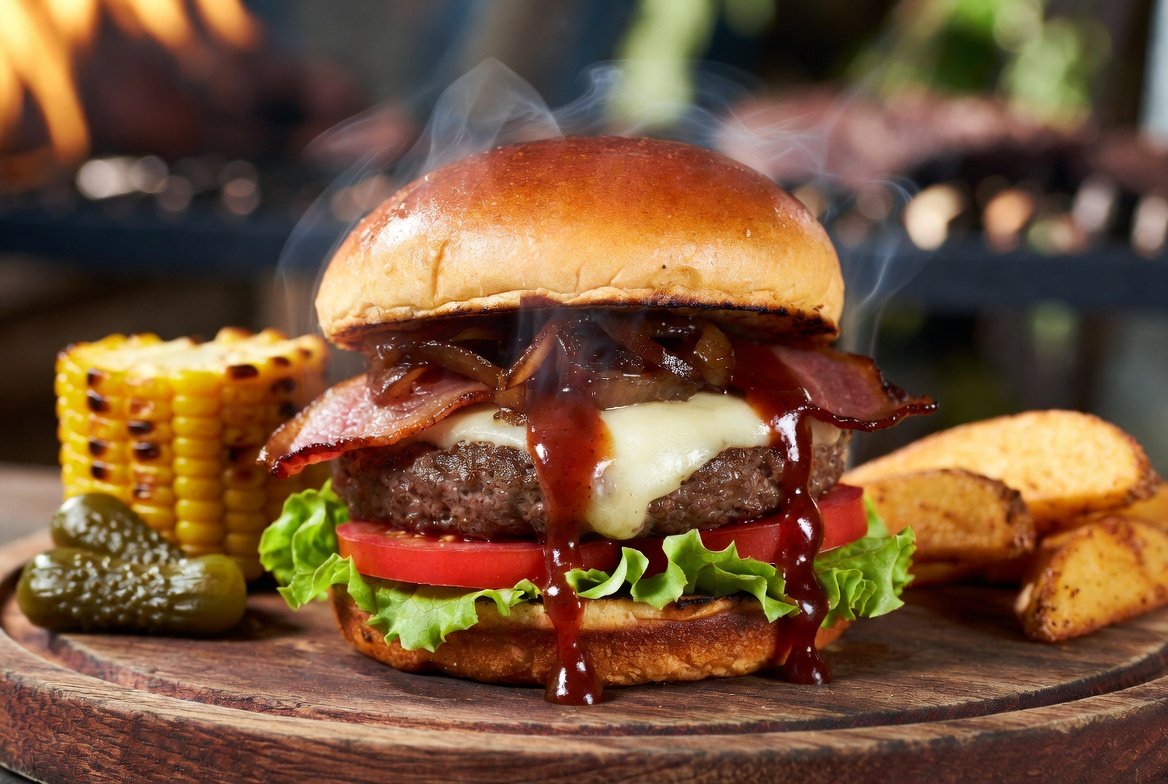
Burgers are one of the easiest foods for new grill owners to master. They cook quickly over direct heat, allowing you to practice temperature control, flipping techniques, and achieving the perfect sear. Experiment with different seasonings, cheeses, and toppings to create delicious backyard favorites.
🌭 Sausages
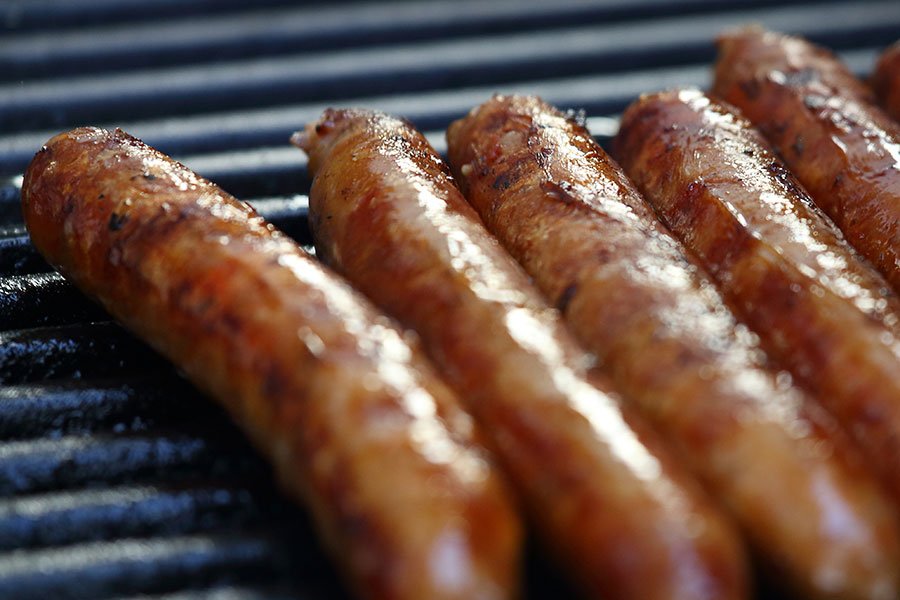
Sausages are simple to cook and perfect for learning how to manage direct and indirect heat. They require minimal preparation, cook relatively quickly, and develop a delicious smoky flavor on both grills and smokers. They're an excellent choice for family cookouts and casual gatherings.
🍗 Chicken Thighs
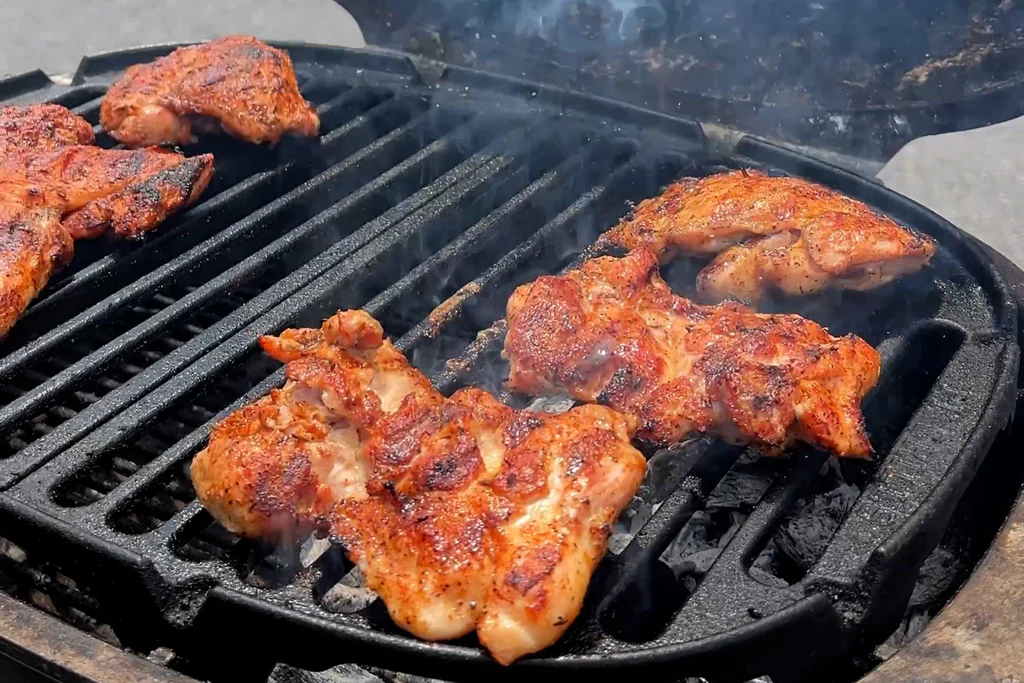
Chicken thighs are forgiving, flavorful, and ideal for beginners. Their higher fat content helps keep the meat juicy, even if slightly overcooked. They're excellent for both grilling and smoking and pair well with a wide variety of BBQ rubs, marinades, and wood flavors.
🥩 Brisket
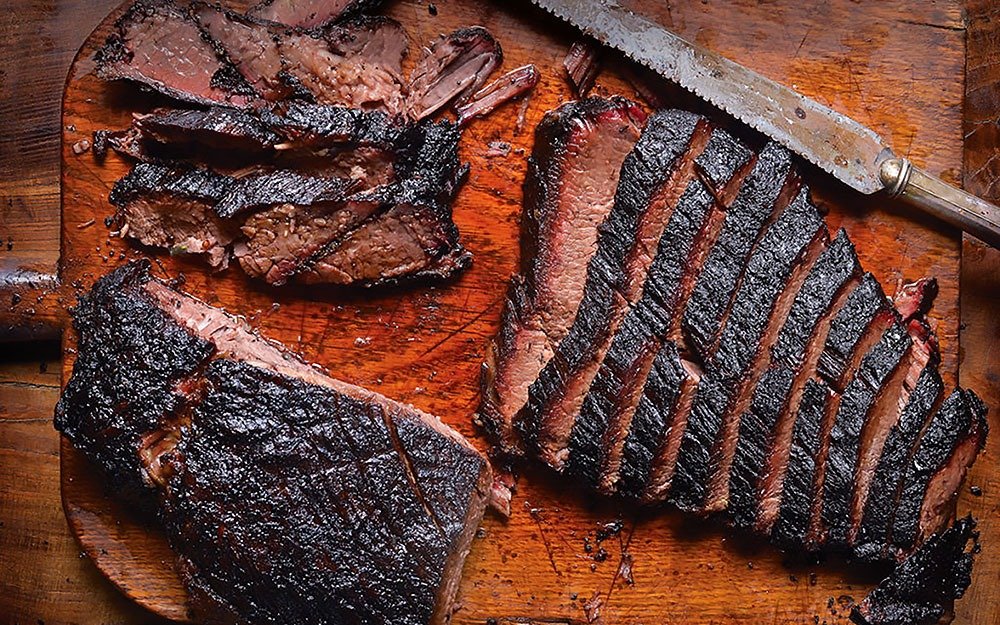
Brisket is often considered the ultimate BBQ challenge and is best attempted after gaining confidence with simpler cuts. It requires precise temperature control, patience, and careful monitoring throughout a long cooking process. Once mastered, brisket rewards your effort with incredibly tender meat, flavorful bark, and authentic competition-style barbecue.
🍖 Pork Ribs
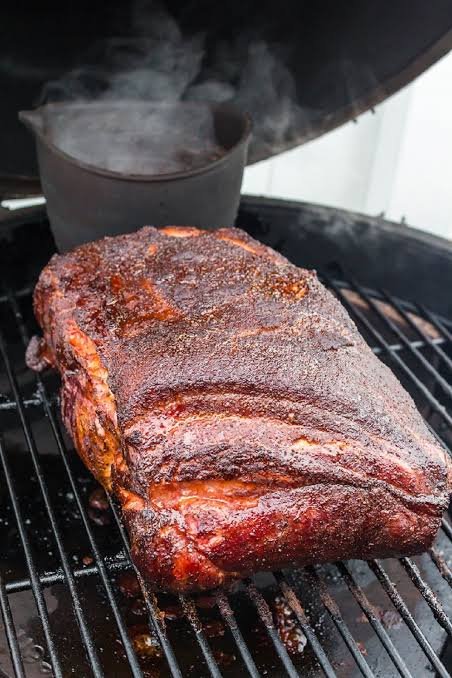
Pork ribs are a classic BBQ favorite and a great introduction to low-and-slow cooking. They teach patience, temperature management, and smoke control while rewarding you with tender, flavorful meat. Whether you prefer baby back or spare ribs, they're an excellent way to build your smoking skills.
Educational Resources for BBQ Enthusiasts
Choosing the right smoker or grill can be daunting, but our educational resources are here to help. Learn about the differences between pellet and charcoal smokers, and discover which is best suited for your cooking style. Our guides cover everything from smoker comparisons to BBQ accessories, ensuring you make informed decisions. Understanding BBQ techniques, such as low and slow cooking and managing airflow, will enhance your skills and confidence.
Our comprehensive resources also include tips on maintaining your equipment for longevity and optimal performance. Whether you're a beginner or a seasoned pitmaster, our guides provide valuable insights into achieving the perfect smoke flavor and consistency. Explore our buying guides today and take the first step towards mastering the art of BBQ.
Common BBQ Questions
Explore answers to some of the most frequently asked questions about BBQ smoking and grilling, helping you become a backyard cooking pro.
How do I season a new smoker?
To season a new smoker, coat the interior with cooking oil and heat it to a high temperature for a few hours. This process removes manufacturing residues and creates a protective layer.
What temperature is ideal for smoking meat?
For most meats, maintaining a temperature between 225°F and 250°F is ideal for smoking. This range allows for even cooking and optimal smoke absorption.
Which smoker is best for beginners?
Pellet smokers are often recommended for beginners due to their ease of use and consistent temperature control, making them perfect for learning the basics of smoking.
Which smoker is easiest for beginners?
Pellet grills and electric smokers are generally the easiest options for beginners because they offer simple operation and excellent temperature control. Pellet grills automatically feed hardwood pellets to maintain a consistent cooking temperature, allowing you to focus on preparing great food instead of managing the fire. They're perfect for smoking brisket, ribs, pork shoulder, chicken, and other barbecue favorites while delivering authentic wood-fired flavor with minimal effort.
How long does it take to smoke brisket?
The cooking time for brisket depends on its size, thickness, and the temperature of your smoker. As a general guideline, smoking a brisket at 225°F to 250°F typically takes 10 to 16 hours, with many pitmasters estimating approximately 1 to 1½ hours per pound. Always rely on the meat's internal temperature and tenderness rather than cooking time alone. A quality digital meat thermometer is the best way to know when your brisket is ready.
Should I soak wood chips?
In most cases, no. Dry wood chips ignite more quickly and produce clean, flavorful smoke. Soaking wood chips can delay combustion and create excessive steam before they begin to smoke. Most manufacturers and experienced pitmasters recommend using dry wood chips, wood chunks, or hardwood pellets to achieve a cleaner burn and more consistent smoke flavor.
How often should I clean my smoker?
For the best performance, clean your smoker after every cook by removing food residue, grease, and ash. Cooking grates should be brushed clean while they're still warm, grease trays should be emptied regularly, and ash should be removed once it has completely cooled. A more thorough deep cleaning every few months helps maintain consistent temperatures, improves airflow, and extends the life of your BBQ smoker.
What's the best charcoal to use?
The best charcoal depends on your cooking style. Hardwood lump charcoal burns hotter, lights faster, and produces a clean, natural wood-fired flavor, making it a favorite among experienced grillers. Charcoal briquettes provide longer, more consistent burn times and are ideal for beginners and extended cooking sessions. Both options produce excellent results when paired with proper temperature control and quality BBQ techniques.
Can I use a smoker in winter?
Yes. Many BBQ smokers perform exceptionally well during colder weather, although low outdoor temperatures, wind, and snow can increase fuel consumption and cooking times. Keeping the smoker sheltered from strong winds, allowing extra time for preheating, and maintaining consistent cooking temperatures will help you produce outstanding barbecue throughout the year.
How much smoke is too much?
Clean, light blue smoke is ideal for producing flavorful barbecue. Thick white or dark smoke often indicates incomplete combustion and can leave meat with a bitter or harsh taste. A small, steady stream of clean smoke is all that's needed to create authentic wood-fired flavor. Using quality hardwood, maintaining proper airflow, and avoiding excessive amounts of wood will help achieve the best possible results.

Customer Success Stories
"Thanks to the Smokers and Grillers Store, I transformed my BBQ skills! The quality of the smoker I purchased has made all the difference."

Alex Johnson
BBQ Enthusiast
"The grill I bought from Smokers and Grillers Store has been a game-changer. My family loves the flavors, and I enjoy the easy maintenance!"

Jamie Lee
Home Cook
"I was new to BBQ, but the accessories and guidance I received from Smokers and Grillers Store helped me gain confidence and improve my cooking skills."

Chris Martinez
Beginner BBQ Smoker
Enhance Your BBQ Experience
Ready to take your BBQ skills to the next level? Discover our wide range of smokers, grills, and accessories designed to elevate your outdoor cooking.